
It’s easy to underestimate how quickly a fire can turn deadly. Most people assume they’ll have enough time to react, gather their family or employees, and exit safely. But in reality, panic sets in fast.
Smoke clouds judgment, alarms often go unheard, and valuable seconds slip away. Without the right preparation, especially in the form of a reliable fire alarm system, people are left vulnerable to the chaos that follows the first spark.
This is where awareness becomes critical. In this blog, we’ll break down just how fast fire can spread and why time is never on your side during an emergency.
We’ll also explore how a fire alarm system buys you the seconds that make escape possible. Whether you’re managing a business or securing a home, understanding this dynamic is the first step toward protecting everyone inside.
The Terrifying Speed of Fire Spread and Why Every Second Counts
A small flame can double in size every 30 seconds. That means a wastebasket fire could engulf an entire room in under two minutes. As the fire consumes more material, it produces thick, toxic smoke that spreads faster than the flames themselves.
This smoke quickly limits visibility and makes it harder to breathe, which delays response and evacuation.
Modern buildings and furnishings contain synthetic materials that burn hotter and faster than older, natural materials. Within minutes, these can reach flashover, a point where everything in the room ignites almost at once.
Temperatures can soar above 1,100°F, creating deadly conditions well before help arrives. Firefighters may still be en route while the building becomes uninhabitable.
This is why early detection matters. Having a working fire alarm system increases the chance of survival. It gives people time to exit, alerts others in the building, and can even trigger an emergency response automatically.
In a spreading fire, seconds don’t just count but decide outcomes.
How Fire Alarms Provide Life-Saving Time
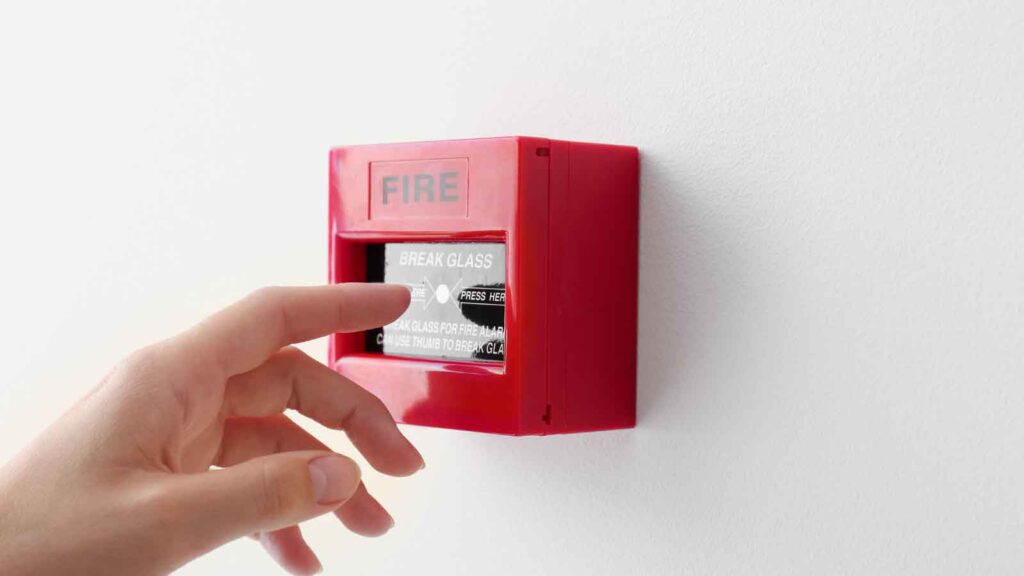
A fire alarm system doesn’t stop a fire, but it gives you the chance to respond before conditions become deadly. The sooner it alerts you, the higher the chance you’ll escape safely.
What that looks like depends on the type of system installed, and each one plays a different role in getting you out before it’s too late.
Fire Alarm Systems That Alert You During Sleep
Most fatal fires happen at night, and the biggest risk is that people are sleeping when the fire starts. You won’t smell smoke in your sleep, and by the time you wake up from heat or chaos, escape routes might already be blocked.
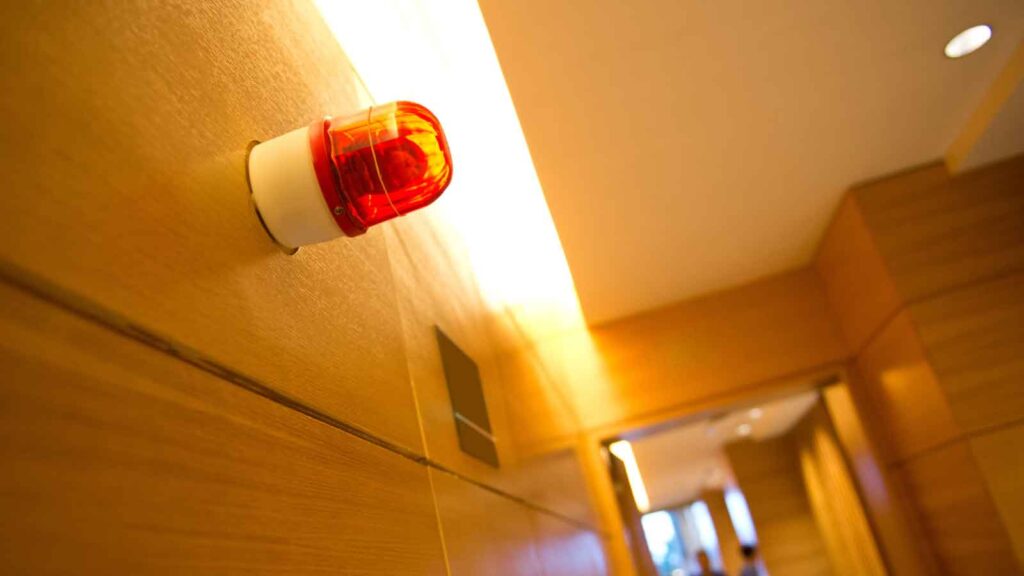
This is why audio and visual alert systems in bedrooms are critical. They’re designed to break through deep sleep fast, giving occupants a shot at quick evacuation.
Modern systems can be set up to include strobes or bed shakers for those who are deaf or hard of hearing, so no one is left unaware. Volume levels also matter.
Bedroom fire alarms should be loud enough to wake heavy sleepers and respond the instant smoke or heat is detected. This kind of setup gives people the alert they need when they’re most vulnerable.
Smoke Detectors That Activate Before Flames Appear
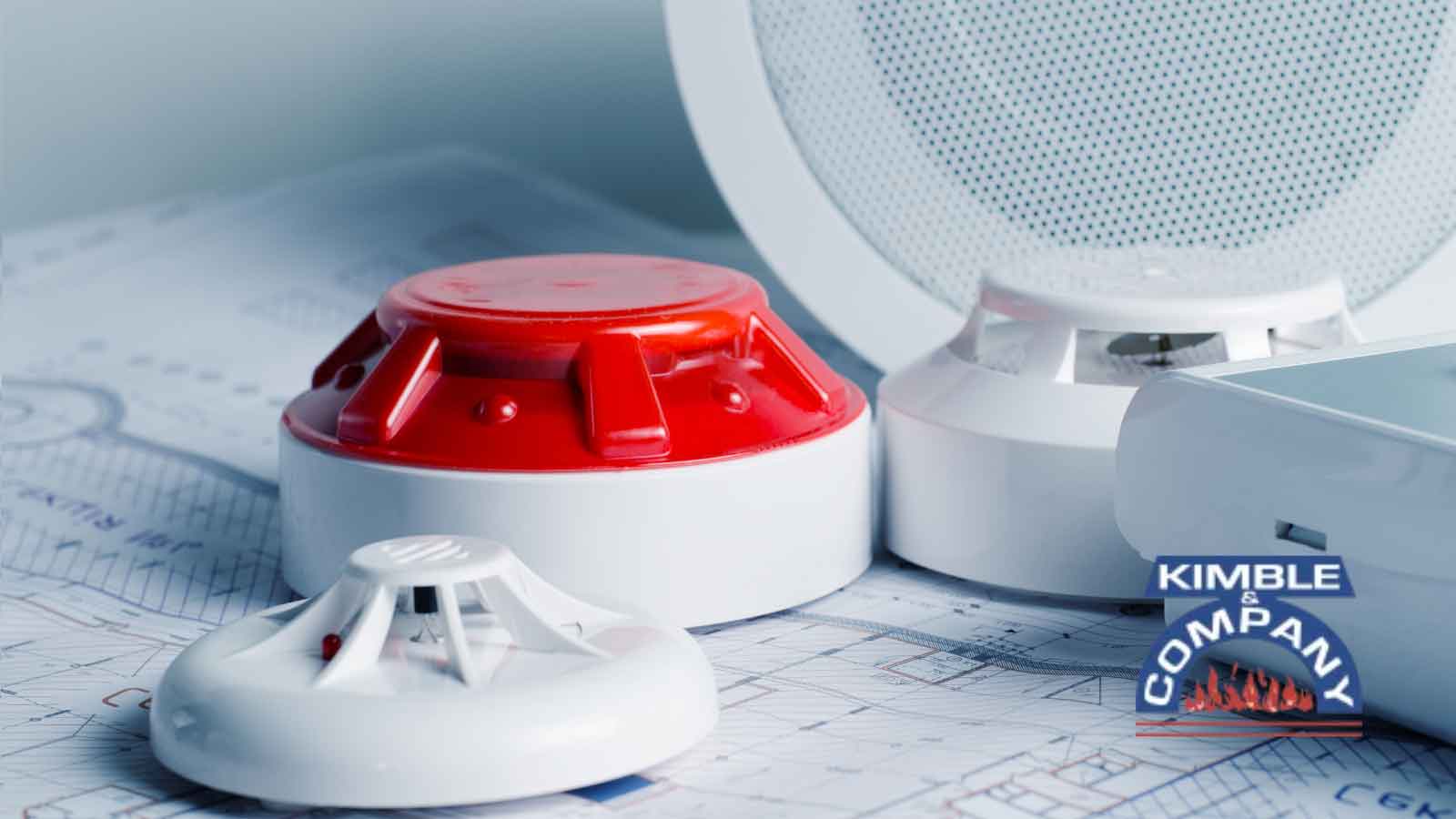
Smoke detectors are often the first line of detection. They catch the earliest signs of fire before you see any flames. That head start is important, especially in large homes or business spaces where fire can grow in areas out of immediate view.
Smoke travels faster than flames, and the right detector can sense danger well before it becomes obvious.
This early warning connects directly to the benefits of investing in fire protection measures. When your system is designed to detect the first hint of smoke, not just open flames, you gain valuable seconds that could prevent major damage or injury.
Smoke detectors are most effective when placed correctly and maintained regularly.
Heat Detectors That Trigger at Dangerous Temperatures
Some environments aren’t suitable for smoke detectors. Kitchens, garages, and workshops often have dust, fumes, or steam that can cause false alarms. That’s where heat detectors come in.
They monitor for rapid rises in temperature or alert when a specific threshold is reached, without relying on the presence of smoke.
Heat detectors respond slightly slower than smoke detectors, but they’re reliable in the right context. They’re ideal in places where smoke might be common but fire is not.
When used strategically with other alarm types, they help provide full-area coverage and reduce the risk of false alarms that could be ignored.
Interconnected Fire Alarms for Whole Building Alerts
Hearing one alarm go off in a far corner of a building might not be enough. Interconnected alarms solve this problem by triggering all units when one detects danger.
This helps make sure everyone in the building gets the warning at the same time, regardless of where the fire starts.
This is especially important in multi-room homes, commercial spaces, or buildings with multiple floors. It eliminates the delay caused by isolated detectors and ensures a coordinated, faster response.
When every alarm speaks to the others, there’s no confusion about whether it’s real or how far the danger is.
Monitored Fire Alarm Systems for Automatic Emergency Response
When no one is around or able to respond, a monitored fire alarm system fills that gap. These systems are connected to a 24/7 monitoring center that receives the signal and contacts emergency services immediately. That means help can be on the way even if no one’s able to call it in.
This setup is particularly valuable for commercial buildings or any place that might be unoccupied for part of the day. Monitored systems reduce the chance of a fire going unreported until it’s too late.
They also offer peace of mind, knowing that someone else is always watching when you’re not.
Best Fire Alarm Placement for Commercial Buildings
Proper placement of alarms in a business building isn’t just about coverage. It’s about making sure every person inside gets alerted early, no matter where they are.
The layout of your building, its size, and the types of activities happening inside all influence where alarms should go. Alarm signals must be loud and clear across offices, break rooms, corridors, and high-risk areas.
Here are five key placement strategies to follow:
- Install alarms in every enclosed room or office.
- Place at least one detector in all common areas and hallways.
- Ensure alarms are mounted on ceilings or high on walls, away from vents or ducts.
- Include extra detectors in kitchens, storage rooms, or mechanical spaces.
- Space out alarms to meet code requirements and avoid gaps in coverage.
Fire alarm installation should always be handled with these principles in mind. Incomplete coverage puts lives and property at risk.
For multi-level or open-floor buildings, consider using interconnected systems. Regular testing and maintenance are equally important to keep the system working reliably.
Why Choose Kimble Company for Fire Alarm Installation
Kimble & Company understands the high stakes that come with fire safety. We don’t install alarms just to meet code. We install them to protect people, operations, and investments.
Every system is designed to match the layout, usage, and specific risks of your building. That means no guesswork and no unnecessary hardware.
Our team brings years of experience across different industries and facility types. We stay current with all fire codes, regulations, and industry standards. From consultation to system design, installation, and support, we handle everything.
We also offer full fire protection services, so you’re covered beyond just alarms. That includes inspections, maintenance, and compliance checks to ensure everything works when it matters most.
If you’re serious about protecting your building and the people in it, call Kimble Company today.