
Building owners and facility managers often struggle to keep up with fire safety requirements. Between inspections, compliance paperwork, and budget considerations, it can be overwhelming to know what level of testing is necessary.
Add to that the pressure of ensuring every part of a comprehensive fire alarm system is working correctly, and it’s easy to see why many feel uncertain about how often tests should be carried out.
The confusion usually comes down to one question: What’s the difference between annual and quarterly fire alarm tests?
Both are required, but they serve different purposes, involve various processes, and carry different implications for safety, compliance, and cost. Without clarity, it becomes challenging to plan schedules, allocate resources, or confidently meet legal obligations.
To help you, we’ll break down exactly what annual and quarterly fire alarm tests are, how they differ, and why both matter for your property in this blog. By the end, you’ll know how to choose the right approach for your building, balancing safety, compliance, and practicality.
The Critical Importance of Regular Fire Alarm Testing and Compliance
Fire alarm systems protect lives and property, but only if they work when needed. Regular testing confirms that every component responds as intended and ensures you remain in line with fire safety regulations. Non-compliance doesn’t just create safety risks but can also result in legal and financial consequences.
Key points to consider include:
- Regular testing proves systems meet legal and insurance requirements.
- It prevents minor issues, such as weak batteries, from escalating into major failures.
- Documentation from tests protects during audits or claims.
- Routine checks build trust with occupants by demonstrating that safety is a priority.
Without consistent testing, even the most advanced systems become unreliable. Codes and insurers expect proof of maintenance, and failing to provide it puts you at risk. Regular fire alarm testing is about more than meeting regulations; it’s about keeping people safe, reducing liability, and ensuring peace of mind.
Understanding Annual Fire Alarm Testing
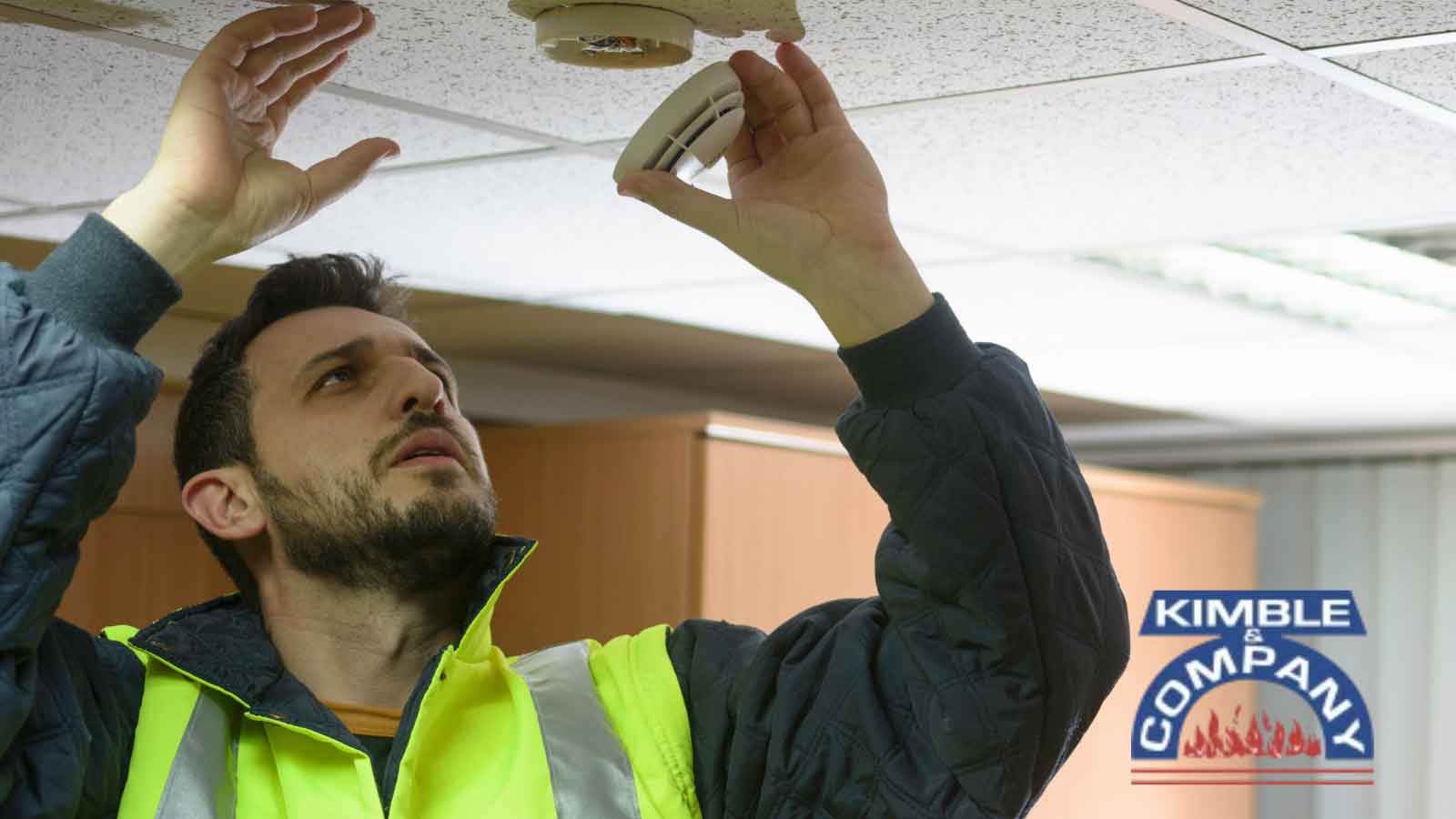
Annual fire alarm testing is a full-scale inspection of the entire system. Every detector, pull station, alarm sounder, and control panel is checked to confirm reliable operation. It ensures the system can respond effectively in the event of a real emergency.
Technicians go beyond basic checks by simulating alarm conditions, verifying signals, testing power supplies, and confirming integration with other safety systems. These inspections often catch issues related to fire alarm installation failures or long-term wear.
Due to the depth involved, annual testing requires more time and must be performed by certified professionals. A detailed report is produced, which is essential for compliance and insurance purposes.
Understanding Quarterly Fire Alarm Testing
Quarterly fire alarm testing provides ongoing assurance between annual inspections. Instead of checking every device, technicians test a sample to confirm the system continues to function correctly.
These checks include verifying alarms reach the panel, signals are transmitted to monitoring services, and batteries remain reliable. By catching minor issues early, quarterly tests reduce the risk of larger problems later.
This process is quicker and less disruptive than the annual test. It helps maintain compliance throughout the year and ensures systems remain dependable for both safety and liability protection.
Key Differences Between Annual and Quarterly Fire Alarm Testing

Annual and quarterly fire alarm tests both ensure safety but vary in scope, frequency, and requirements. Annual tests are more comprehensive, while quarterly checks focus on ongoing system reliability.
To understand these differences fully, let’s look at the specific areas where the two testing schedules diverge.
Scope and Depth of System Inspection and Analysis
Annual testing covers the entire fire alarm system from top to bottom. Every detector, pull station, sounder, and panel is inspected to confirm it functions correctly. This level of testing often reveals hidden problems, such as sensor drift or wiring issues, that wouldn’t be noticed during lighter checks.
Quarterly testing is more focused, concentrating on a select group of devices and core functions. The goal is to make sure the system continues to perform reliably between annual inspections. Together, both schedules strike a balance between thoroughness and practicality.
Professional Technician Requirements vs Trained Staff Capabilities
Annual fire alarm testing requires certified technicians with specialized training. Their expertise is needed to handle complex inspections, use advanced tools, and produce the detailed documentation required by codes and insurers. Trained staff typically cannot carry out this level of work.
Quarterly testing, on the other hand, sometimes allows for limited in-house involvement. A facility team may handle basic checks like battery inspections or control panel monitoring, while licensed professionals take on the technical tasks. For property owners, understanding this balance is part of selecting the right fire protection system and ensuring ongoing compliance.
Testing Equipment and Documentation Standards
Annual inspections rely on advanced tools that can simulate fire conditions and verify system-wide communication. These tests also generate comprehensive reports that meet both regulatory and insurance documentation standards.
Quarterly tests use simpler equipment and result in shorter reports. While less detailed, these records still serve as proof that systems were regularly checked and maintained, a critical requirement that remains in place.
What’s Actually Tested During Each Schedule
Annual testing examines every device in the fire alarm system. This includes detectors, pull stations, notification appliances, control panels, batteries, and backup power sources. Technicians also check signal pathways to monitoring stations and integration with sprinklers or other safety systems.
The goal is to confirm that the entire network works as designed under real emergency conditions.
Quarterly testing, by contrast, focuses on a rotating sample of devices and key system functions. This often includes testing selected detectors, verifying that alarms trigger correctly at the control panel, and confirming signals reach monitoring services.
Batteries and power supplies are also checked to prevent unexpected failures. While not as exhaustive, quarterly testing ensures the system stays dependable between full-scale inspections.
Cost Factors and Time Investment Considerations
Annual testing demands more time and resources. Extensive facilities may require several days for a complete inspection, and the professional expertise involved makes this process more expensive.
Quarterly testing is faster and more budget-friendly. The costs are lower and spread throughout the year, allowing managers to maintain consistent oversight without the disruption of a full-scale inspection each time.
Legal Compliance and Insurance Coverage Implications
Annual fire alarm testing is a universal legal requirement and a core condition for insurance coverage. Missing it can result in fines, loss of compliance status, or denial of claims following an incident.
Quarterly testing is often required for specific property types, particularly those with high occupancy rates or a large number of units. Even when not mandated by local codes, insurers may need it to validate coverage. Both schedules play a crucial role in ensuring facilities are legally protected and financially secure.
So… How Often Should a Fire Alarm System Be Tested?
The proper testing schedule depends on the size, type, and use of your building. While annual inspections are required everywhere, quarterly tests often apply to larger, high-occupancy, or higher-risk properties.
Choosing the proper schedule means understanding both compliance obligations and the unique needs of your facility.
Key factors to consider include:
- Building occupancy and daily traffic levels
- The complexity of your fire alarm system
- Local fire code and regulatory requirements
- Insurance provider conditions for coverage
- The risk profile of your property or industry
A smaller office may only need the minimum required tests, while a hospital or high-rise demands more frequent inspections. There is no one-size-fits-all approach.
The key is consistency, proper documentation, and working with certified professionals. Regular testing not only ensures compliance but also protects lives and property.
Make the Right Decision for Your Fire Safety Strategy

Annual and quarterly testing serve different but complementary purposes. Both are necessary to maintain a reliable system, ensure your building’s compliance, and keep your occupants safe.
Partnering with an experienced fire protection services provider ensures your testing schedule is practical, thorough, and aligned with legal requirements.
The right decision is made by balancing safety, compliance, and cost. When your testing strategy is consistent, you protect your property and reduce risks. Choosing the right partner makes the process straightforward and effective.