
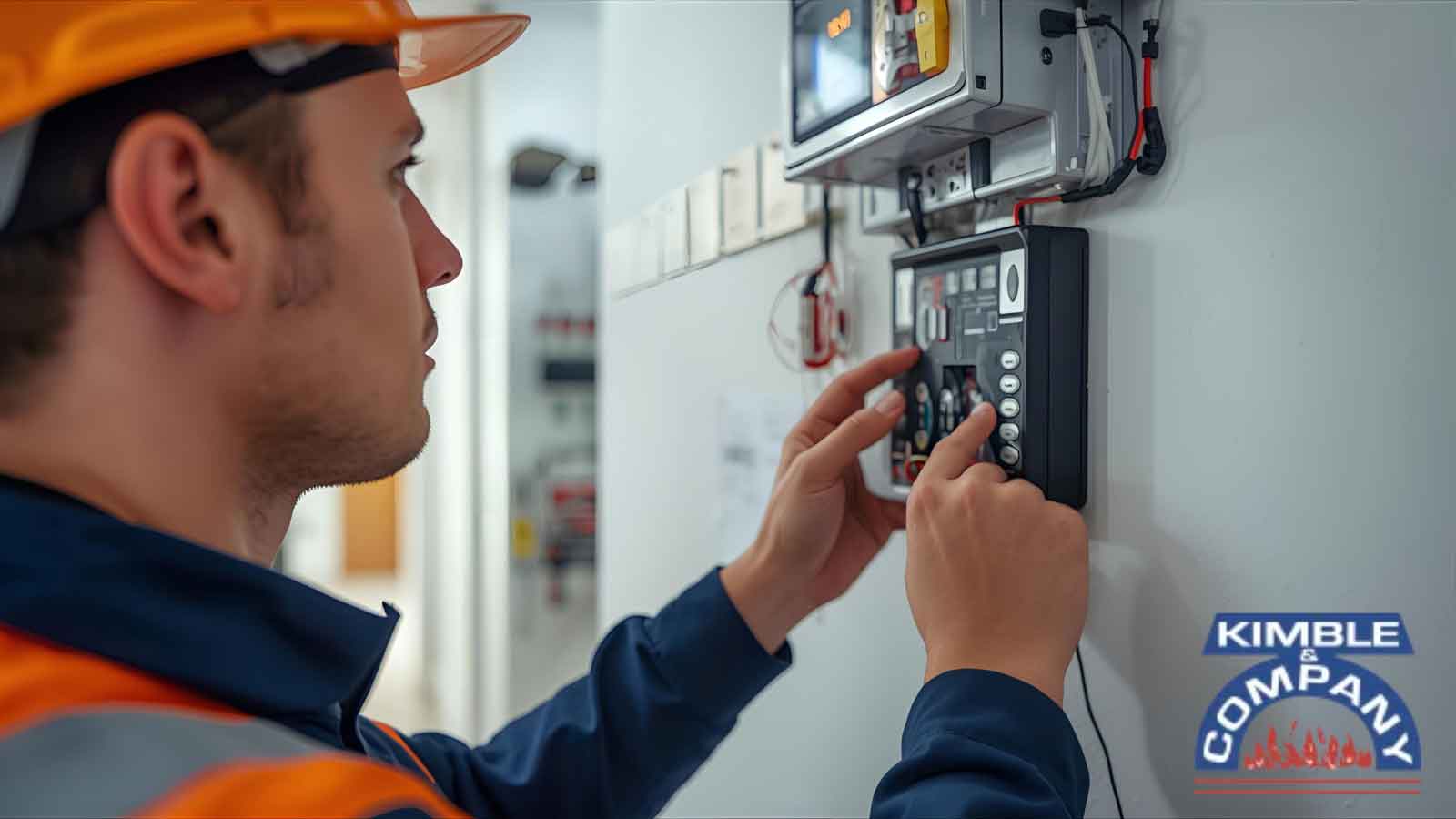
Yes, modern wireless commercial fire alarm systems are reliable for commercial buildings when properly installed and maintained. With encrypted radio signals, robust network connections, and advanced technology, they meet the same safety standards as wired systems. While older models faced issues like interference and battery failures, today’s systems are designed to eliminate these problems.
Wireless fire alarms offer a dependable option, especially in buildings where traditional wiring is difficult or disruptive. This article will explain how these systems deliver the same level of reliability as wired installations.
Modern Wireless Systems Meet the Same Safety Standards as Wired Installations
The reliability concern isn’t about wireless technology itself, but about meeting the strict requirements for commercial fire safety. With proper planning and professional installation, wireless commercial fire alarms deliver the same level of safety performance as wired systems.
Certified Installation Ensures Code-Compliant Performance
Wireless commercial fire alarm systems installed by a certified fire protection company comply with the same code requirements as wired systems in California. This includes standards based on the California Building Standards Code and National Fire Protection Association (NFPA) 72, which govern system design, installation, testing, and ongoing maintenance.
Both system types must meet the exact performance expectations, including consistent communication, proper response times, and continuous monitoring. Your wireless system undergoes the same inspections, documentation, and verification steps as any wired installation, providing you with the same level of accountability and reliability.
Fail-Safe Design Prevents Single Points of Failure
Modern wireless systems use built-in redundancy to prevent failures. Each detector reports its status to the main panel, and the system checks communication every few seconds. Any interruption triggers an instant fault alert so you can fix the issue before it affects safety. If the main panel loses power, detectors keep working through battery backup and can activate sounders on their own.
Wireless Technology Reduces Wiring-Related Risks
Wired systems can sometimes face challenges when cables are damaged, which may require accessing walls and tracing long runs of wire to locate the issue. Wireless systems, however, eliminate these concerns by removing the need for hidden cables. This makes building updates and renovations easier, as they won’t disrupt the fire alarm system. Wireless solutions offer continuous protection during construction, reducing downtime and minimizing the need for extensive repairs, while still maintaining the reliability expected from any system.
Read Also: How Often Are Fire Alarm Inspections Required in California?
Installation Flexibility Improves System Reliability and Coverage
Reliable fire detection depends on placing detectors where they work best. Wireless systems make this easier in buildings where running cables is expensive or not possible.
Radio Frequency Communication Adapts to Complex Building Layouts
Wireless fire alarm systems use secure radio frequencies specifically designed for fire safety. This ensures strong signal performance without interference from Wi-Fi or mobile devices. The technology excels in buildings with challenging layouts, including:
- Multi-story buildings: Effective communication across multiple floors.
- Warehouses and large spaces: Reliable coverage in expansive areas.
- Steel or concrete structures: Overcomes signal-blocking materials for consistent performance.
The detectors communicate through a mesh network, where each device acts as a repeater, allowing each device to repeat signals until they reach the control panel. This self-organizing system maintains reliable coverage in complex building layouts.
Scalable Systems Grow With Your Building Needs
Commercial spaces evolve over time, and wireless systems make it easy to adapt without the need for extensive renovations. Adding coverage is quick because installers only need to mount the detectors, check the signal, program the panel, and test the system.
This flexibility ensures your fire protection stays in line with your current space usage, without being limited by the original wiring layout. If you move walls or change equipment layouts, detectors can be repositioned just as easily, keeping your building compliant without the cost and disruption of rewiring.
Minimal Installation Disruption Maintains Business Operations
Wired installations can sometimes require after-hours access or longer construction periods, which may cause temporary disruptions. While these systems are reliable and effective, wireless fire alarm systems offer an advantage in situations where minimizing downtime is crucial.
Wireless systems are quicker to install, eliminating the need for cable pulling or conduit routing. This matters most for 24-hour facilities like healthcare, manufacturing, or data centers, where even short downtime affects productivity.
Addressing Battery Life and Signal Coverage With Proven Solutions

Concerns about battery life and signal range come from older wireless technology. Modern systems fix these issues with stronger engineering and constant monitoring.
Automated Battery Monitoring Prevents Unexpected Failures
Wireless detectors use long-life lithium batteries designed specifically for commercial fire safety, typically lasting around five years. Each detector actively monitors its own battery level and communicates this information to the control panel.
Reasons this system is beneficial:
- Proactive Alerts: The system provides early warnings when battery levels reach 70-80% capacity, giving months of notice before a replacement is due.
- Planned Maintenance: Battery replacements can be scheduled during planned maintenance visits, preventing unexpected failures.
- Continuous Monitoring: Wireless systems offer real-time battery status updates, ensuring better visibility into system health.
Battery replacement is simple, using standard battery types that can be swapped out in minutes per device. Your maintenance team or service provider can complete building-wide replacements in a single scheduled visit while keeping fire protection fully active.
Professional Site Surveys Eliminate Signal Coverage Gaps
Experienced fire alarm system experts measure the actual signal strength at each planned detector location before installation. Materials like steel frames, concrete with rebar, and metal ducts can weaken wireless signals, so installers test each spot directly to find the best placement. This approach delivers accurate results and avoids guessing based on distance alone.
If a building has challenging layouts, installers add signal boosters that relay communication between detectors and the control panel. They verify every device during commissioning and record the results, ensuring the entire system communicates clearly across all areas.
Integration With Building Safety Systems Expands Protection Capabilities
Wireless commercial fire alarm systems link with emergency notifications, access control, and other safety features through standard communication protocols. The system can activate voice alerts, unlock exits, release door holders, and notify security or monitoring centers the moment a fire signal triggers. Many setups include cellular backup, so alerts still go out even if the building loses phone or internet service.
Streamlining Emergency Responses with Automated Integration
The integration of wireless fire alarm systems with building management systems allows for an automated emergency response. In the event of a fire, the system can take immediate action to ensure occupant safety and quick evacuation.
Key features of this integration include:
- Voice Evacuation Messages: Automatically triggered to guide occupants to safety.
- Emergency Lighting Activation: Ensures well-lit paths for evacuation during a fire.
- Automatic Door Unlocking: Grants immediate access to exits, preventing bottlenecks or delays.
This level of automation speeds up response times and enhances occupant safety, especially in larger or multi-story buildings.
Cost Analysis Shows Long-Term Value for Many Commercial Applications
A good investment considers upfront costs and long-term value. Wireless commercial fire alarm systems often make sense when you factor in installation savings, easier maintenance, and the flexibility to adapt as your building changes.
Installation Labor Savings Offset Higher Equipment Costs
Wireless detectors come at a higher unit price because they include built-in communication, power, and monitoring features that add real functionality. The overall project still benefits because installation requires far less labor. Without wire runs, conduits, or days of routing cables through ceilings and walls, installation is completed much faster, reducing the overall timeline.
Furthermore, wired systems may still be a good fit for new construction with open pathways, but wireless systems are particularly advantageous for retrofits and occupied buildings, as they eliminate the need for demolition or major structural changes. Faster install times also mean less disruption to daily operations, helping businesses avoid delays and interruptions during installation.
Simplified Maintenance Reduces Lifecycle Operating Costs
Wired systems often require constant cable checks, fault tracing, and troubleshooting through hidden wiring. Wireless systems avoid these issues by directly reporting faults. Routine maintenance is limited to scheduled battery replacements, which are easy to plan and budget for, ensuring consistent performance without surprises.
As your building layout changes, wireless systems expand or adjust without the need for electricians, permits, or high costs. This keeps your fire protection aligned with the building’s evolving needs while helping manage long-term costs.
Making the Reliability Decision for Your Commercial Building

Choosing between wireless and wired fire alarm systems depends on your building, your operations, and your long-term plans. Properly installed wireless systems meet the same performance standards, so the decision comes down to what fits your situation best.
When Wireless Fire Protection Makes Practical Sense
Wireless fire protection is ideal when installing cables is difficult or expensive. This is especially true for spaces with complex layouts or where access for wiring is limited. Wireless systems offer faster, low-disruption installation, which is perfect for facilities that cannot afford downtime.
For future flexibility, if you anticipate space reconfigurations or tenant turnover, wireless detectors can be easily repositioned or expanded, saving time and money. The ability to adapt quickly without major disruptions makes wireless systems a practical solution for evolving building needs.
Specific Building Types That Benefit Most
Older commercial buildings without existing conduit infrastructure, or those with architectural features requiring preservation, benefit from wireless systems, as they avoid the high cost and disruption of retrofitting. Installing new wiring through walls or ceilings can be costly and time-consuming, often exceeding the cost of a wireless installation.
Multi-tenant and temporary commercial spaces also gain from wireless flexibility. Property managers can easily adjust detector placement to accommodate new layouts without additional permits or electrical work. For temporary or modular structures, wireless systems can be relocated or expanded as the building’s needs change, providing adaptability as the space evolves.
Work With Experts to Ensure Reliable Performance
Reliable fire alarm performance starts with proper system design. A fire alarm system specialist assesses your building, identifies potential signal challenges, and customizes the system design based on actual measurements.
During commissioning, the system is thoroughly tested to ensure compliance with NFPA 72 and all relevant California fire codes. Detailed documentation is provided to satisfy regulatory and insurance requirements.
Additionally, ongoing maintenance programs keep the system reliable through scheduled battery changes, annual testing, and integration with building management, access control, emergency alerts, and monitoring services.
Also Read: Fire Alarm Design: Custom Solutions for Maximum Safety and Code Compliance
Protect Your Commercial Property With Professional Fire Alarm Solutions
Choosing the right fire alarm system starts with understanding what your building needs and how each option supports your safety goals. A professional assessment helps you decide whether a wireless or wired setup fits your property better and gives you a clear path forward.
Contact Kimble & Co. today to schedule a fire alarm system consultation! Our certified technicians will evaluate your building layout, discuss your operational requirements, and recommend solutions that meet current fire safety standards. You’ll receive clear guidance on system options, expected commercial fire alarm system cost, and the best way to protect your property.
We work with building managers throughout California who need reliable fire protection without unnecessary disruption. Request a consultation now to see how modern fire alarm system technology can effectively protect your commercial building!