
For small business owners, understanding safety regulations can feel like stepping into a maze. Between running operations, managing employees, and keeping overhead low, fire code compliance often falls to the bottom of the list, until an inspection looms or an insurance provider brings it up.
Many aren’t sure if their business type or building size requires a system. Others wonder what qualifies as a comprehensive fire alarm system and whether it’s a smart investment or a mandatory one.
That uncertainty is exactly why this topic matters. In this blog, we’ll break down the real requirements, based on code, not guesswork. We’ll explore whether your small business needs a fire alarm system, when it becomes a legal necessity, and what options fit different spaces and budgets.
By the end, you’ll know how to identify the right approach for your building and whether a comprehensive fire alarm system is something your business must have or simply should consider.
What Are Fire Alarm Systems?
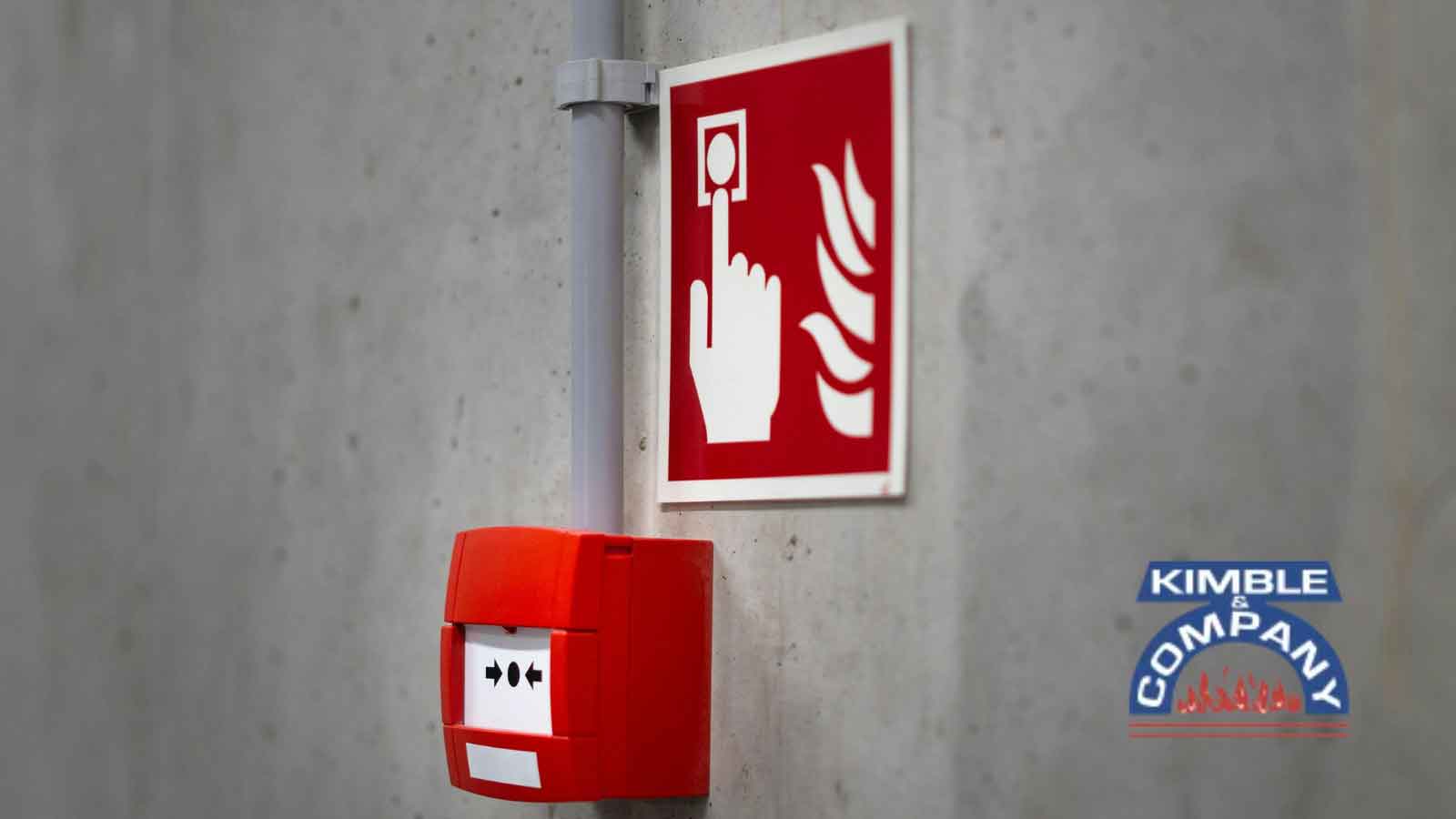
Fire alarm systems are safety tools that detect and alert building occupants about the presence of smoke, heat, or fire. They are made up of several interconnected devices like smoke detectors, heat sensors, alarm notification appliances, control panels, and often manual pull stations.
Their job is to provide an early warning, giving people time to evacuate and responders a head start.
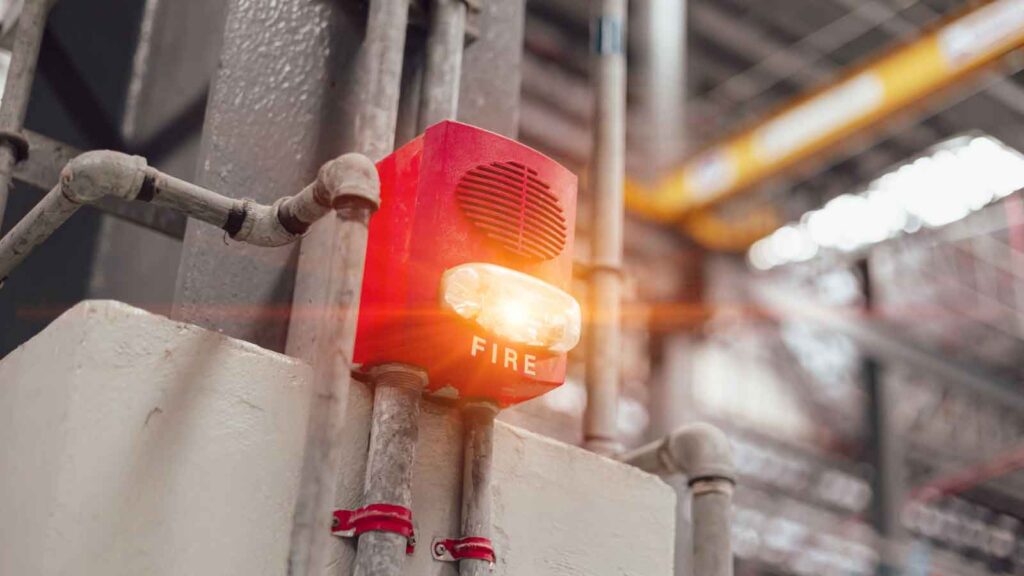
Most systems operate through a central control panel. When a detector picks up signs of fire or smoke, the panel activates sirens, flashing lights, or both. Some systems are also linked to emergency monitoring centers, automatically notifying the fire department.
Depending on the setup, alerts can also be sent to mobile devices or building management systems.
A properly installed fire alarm system is more than a safety measure. It’s a legal and operational requirement in many cases. Systems must meet specific codes that dictate how and where each component is placed, how they perform, and how often they are tested.
Their purpose is not just to sound alarms but to reduce response times, prevent loss, and support evacuation protocols.
What Does the Code Say for Small Businesses’ Fire Alarm Systems?
The quick answer to this is YES; small businesses are often required to have fire alarm systems, but it depends on the specifics of the space.
Local jurisdictions like Orange County and Los Angeles follow the California Fire Code, which aligns closely with national standards like the NFPA 72 and the International Fire Code.
Whether a system is needed comes down to factors like occupancy type, building size, and how the space is used.
Businesses that host 50 or more people, operate on multiple floors, or occupy more than 5,000 square feet often trigger the requirement. The code also applies when there’s a change in use, such as converting office space into retail. Local fire departments review plans and determine compliance before granting occupancy or final permits.
Not following these rules can carry serious consequences. Failing inspections, delaying openings, or receiving fines are common outcomes.
The consequence of non-compliance with fire safety regulations can also include denied insurance claims or legal issues if an incident occurs. Meeting code isn’t just a legal checkbox; more than that, it’s part of operating safely and responsibly.
Key Considerations for Small Businesses Installing Fire Alarm Systems
Once you confirm a fire alarm system is required or necessary for your small business, the next step is planning. The process involves more than choosing hardware. It requires understanding your space, budget, and regulatory responsibilities.
So, what exactly should you be thinking about before moving forward?
Occupancy Classification and Building Size Requirements
Every business falls into an occupancy classification that influences fire alarm requirements. The most common for small businesses are Business (Group B), Mercantile (Group M), Assembly (Group A), and sometimes Storage (Group S). Each category comes with different thresholds. For instance, a small coffee shop that seats over 50 people is treated differently from a small accounting office.
Key triggers to look out for:
- Group A (Assembly): Restaurants, churches, gyms – typically require systems if the occupant load exceeds 50
- Group B (Business): Offices, clinics – requirements depend on square footage and layout
- Group M (Mercantile): Retail spaces – alarms often required over 3,000–5,000 sq ft or in multi-tenant setups
- Group S (Storage): Warehouses or stockrooms – based on storage volume and access limitations
- Multi-floor structures: Even small areas per level may still trigger alarm requirements due to overall building complexity
Square footage matters, too. In many California jurisdictions, fire alarms become mandatory in single-tenant spaces exceeding 5,000 square feet or in multi-tenant commercial buildings. Multi-level buildings also carry additional requirements, even if each level is relatively small. It’s not just about the ground-level footprint. The total structure and occupancy load drive the code triggers.
System Types and Technology Options for Small Business Budgets
Fire alarm systems are not one-size-fits-all. Small businesses can choose from several configurations depending on layout, operations, and budget. The most affordable are conventional systems. These work well in simple floor plans but don’t offer location-specific alerts. They’re typically enough for retail shops or small offices that don’t need advanced features.
For more complex needs, addressable systems provide pinpoint accuracy for alarm locations and diagnostics. They’re more expensive but easier to maintain and scale. These systems help reduce downtime by identifying exactly which device has a problem. In busy commercial environments or multi-room facilities, this efficiency makes a big difference.
Smart systems integrate mobile alerts, remote monitoring, and even connections with building automation systems. While upfront costs can be higher, these systems often save money long-term with better control, easier inspections, and fewer false alarms. If your business is planning to grow or is tech-forward, this could be the right path.
Installation Timeline and Inspection Compliance Requirements
Fire alarm installation requires careful coordination between contractors, local authorities, and your operations. First, plans must be drawn by a licensed fire protection contractor. These are submitted for review by local officials. In places like LA or Orange County, this plan check can take several weeks, depending on permit load and complexity.
Key steps in the installation and inspection process:
- Submit detailed fire alarm system plans through a licensed contractor
- Wait for plan check and approval from the local fire department or building authority
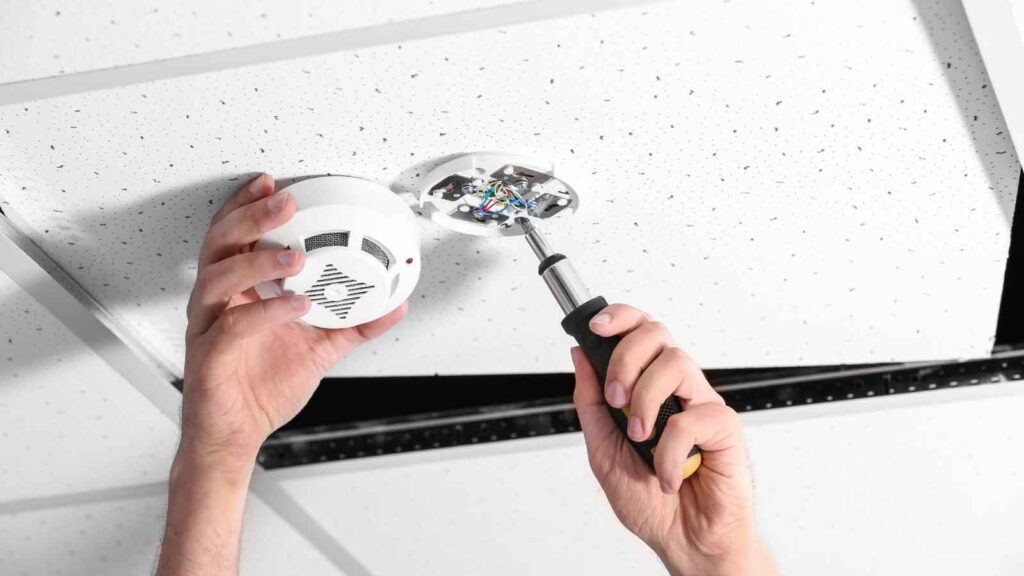
- Begin installation: running conduit, placing detectors, and connecting all devices to a central panel
- Schedule final inspection to test device function, alarm response, and backup power
- If any part fails inspection, address deficiencies and request reinspection
- Stay compliant after approval by following NFPA 72 testing and maintenance schedules
Once approved, installation begins. This includes running conduit, placing detectors, mounting alarms, and wiring everything to a control panel. After installation, the fire department will conduct a final inspection. They verify that devices work, alarms sound correctly, and the backup systems function. If anything fails, a reinspection is required, which adds to the delays.
Cost Analysis and Financing Options for Fire Alarm Systems
Cost is a major factor for most small businesses. A basic fire alarm system can have a variation in cost, depending on complexity. Larger or multi-floor properties with addressable systems may see costs climb well beyond the average. Installation, design fees, permit costs, and post-installation testing all factor into the final total.
Fortunately, there are ways to manage those costs. Some contractors offer leasing programs or financing packages that allow payments over time. This can help businesses avoid large upfront expenses. Others work directly with local grant programs or utility incentives, especially for systems that enhance energy efficiency or improve safety in high-risk zones.
Fire protection contractors often help assess the total return on investment. Insurance savings, liability reduction, and long-term operational safety often outweigh the initial spend. While cost matters, the real value comes from meeting the code, avoiding penalties, and protecting your business from preventable loss.
How Kimble & Company Fire Protection Systems Helps Small Businesses Achieve Code Compliance
Kimble & Company offers tailored fire protection services that help small businesses meet code requirements without unnecessary complexity or cost. We understand that owners often juggle compliance with tight budgets and timelines.
Our team walks clients through every step, from initial assessment to final inspection, making sure no critical details are missed.
We start by evaluating your building, occupancy type, and local code triggers. Our certified designers then create custom fire alarm system plans that align with both NFPA 72 standards and local building codes in Orange County and Los Angeles.
We manage the full process from permitting, installation, testing, and documentation, so that small business owners can focus on running their operations.
Here’s what we provide as part of our fire protection services:
- Code-specific system design based on building use, size, and occupancy
- Fast-tracked permitting and plan submission support to avoid project delays
- Professional installation by licensed, experienced technicians
- Full inspection coordination with local fire authorities
- Ongoing maintenance and compliance checks after installation
We don’t leave you after the system is in place. Our support continues with scheduled inspections, system upgrades, and response troubleshooting when needed. Kimble & Company is committed to helping businesses operate safely, stay compliant, and protect their investment.
Reach out today to schedule a site review or request a compliance consultation.