
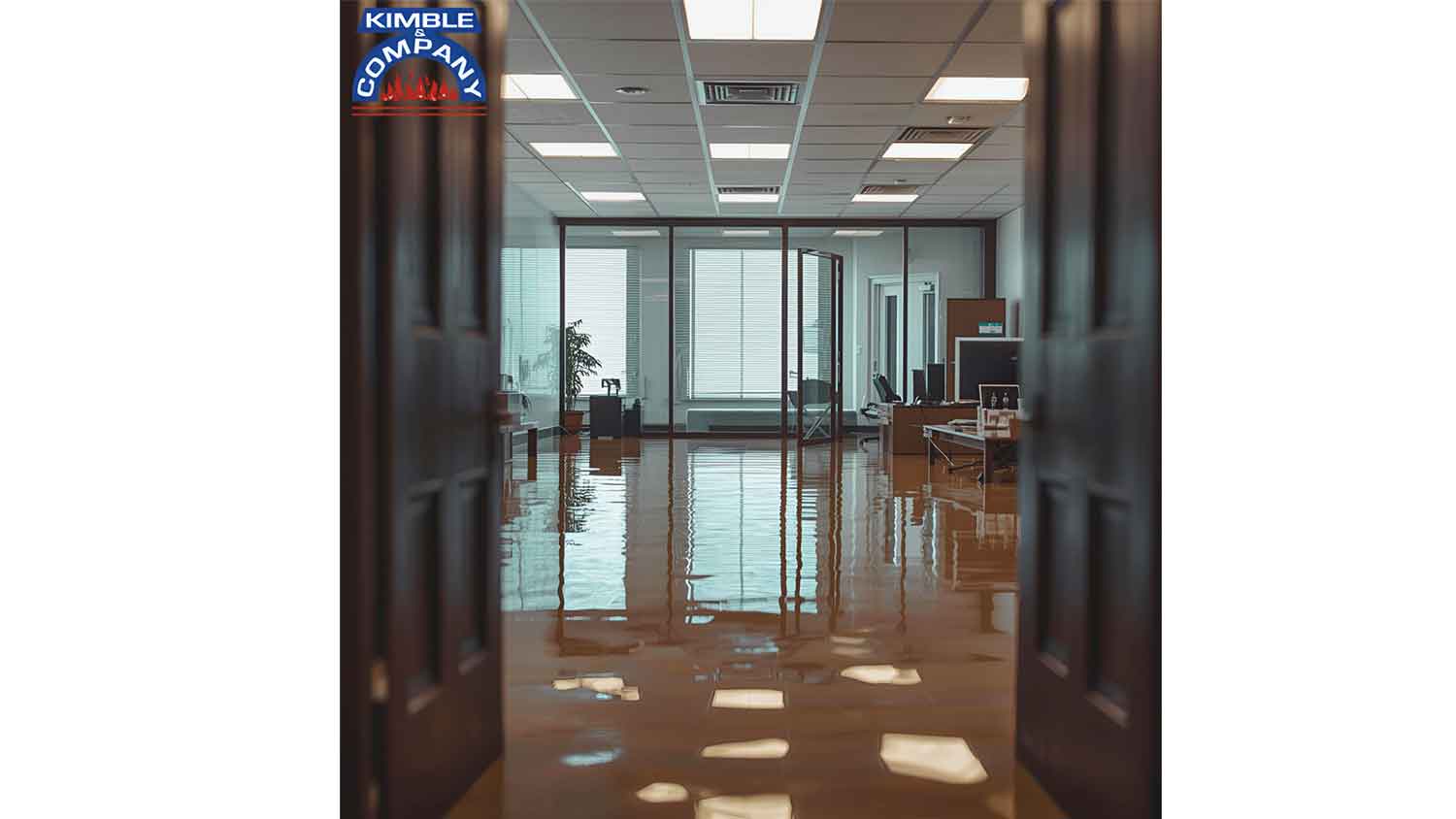
Water cascading through your ceiling. Equipment at risk. Employees scrambling. A fire sprinkler system leak creates chaos in seconds, and every decision you make in the following few minutes matters. This guide walks you through exactly what to do when a sprinkler malfunction floods your facility, how to minimize damage, and when to call for emergency fire sprinkler repair.
Immediate Response: The First 5 Minutes Matter Most
Speed determines how much damage occurs. The moment you discover water flowing uncontrollably through your building, your priority shifts to three critical actions: stopping the water, protecting people, and preserving evidence.
Shut Off the Water Supply
Your fire sprinkler system has main control valves, typically located in mechanical rooms, near the main entrance, or in utility areas. Find these valves now, before an emergency happens. Building engineers should know these locations by heart.
Steps to shut down your system:
- Locate the main sprinkler valve (usually a large gate valve or butterfly valve)
- Turn the valve clockwise until completely closed
- If you can’t locate the main valve, shut off the building’s main water supply
- Call your fire protection services provider immediately after shutting off the water
- Never leave the system off longer than necessary as this creates life safety risks
Some facilities have monitoring systems that alert local fire departments when sprinkler systems shut down. This is normal. When the fire department arrives, explain the situation and confirm it’s a malfunction, not an actual fire.
Alert Building Occupants and Secure the Area
Water flowing through a commercial space creates immediate safety hazards. Slip risks, electrical dangers, and falling debris threaten anyone in the affected area.
Take these safety measures:
- Evacuate the immediate flood zone
- Post signs or barriers to prevent access
- Turn off electrical circuits in affected areas if you can safely access the breaker panel
- Move personnel away from ceiling areas where additional water may be trapped
- Designate someone to guide emergency responders when they arrive
Document who you notified and when. Insurance claims often require this information.
Document the Damage
Before cleanup begins, capture evidence. Your insurance adjuster and fire sprinkler installer will need this information to process claims and identify the cause of failure.
What to photograph and record:
- The source of the leak (specific sprinkler head or pipe section)
- Water levels and spread patterns
- Damaged equipment, inventory, and building components
- The time the leak was discovered and when the water was shut off
- Any visible corrosion, physical damage, or other obvious system defects
Video documentation works well because it captures the scope and severity of flooding that photos might miss.
Emergency Assessment and Damage Control
Once the water stops flowing, you need a clear picture of what happened and what’s at risk. This assessment determines your next moves and helps you communicate effectively with repair technicians.
Identifying the Source of the Leak
Fire sprinkler system leaks typically originate at specific failure points. Understanding the source helps you describe the problem accurately when you call for emergency fire sprinkler repair.
Common leak sources:
- Sprinkler heads: Accidental impact, corrosion, or manufacturing defects cause heads to activate or break
- Pipe joints: Threaded connections and welded joints fail due to corrosion or installation issues
- Main lines: Freezing, corrosion, or pressure surges rupture main distribution pipes
- Control valves: Valve stem leaks or gasket failures create steady drips that escalate
The leak location tells repair technicians what parts and tools to bring, speeding up response time.
Protecting Critical Equipment and Assets
While waiting for emergency services, contain the damage as much as possible. Strategic action in these minutes prevents minor leaks from escalating into significant losses.
Immediate protection measures:
- Move portable equipment out of affected areas
- Cover stationary equipment with tarps or plastic sheeting
- Use wet vacuums, mops, and buckets to remove standing water
- Set up fans to promote air circulation (only after electrical safety is confirmed)
- Elevate items off the floor using pallets, blocks, or shelving
- Remove soaked materials like cardboard, paper, and fabric that promote mold growth
Time matters with water damage. Materials begin deteriorating within hours, and mold can start developing within 24 to 48 hours.
When to Call Emergency Fire Sprinkler Repair Services
Some situations require immediate professional intervention, while others can wait for regular business hours. Understanding the difference helps you allocate resources appropriately.
Call emergency fire sprinkler repair immediately if:
- Active water flow continues despite shutting off valves
- The leak affects multiple sprinkler heads or system zones
- Water is reaching electrical equipment or sensitive machinery
- The building houses critical operations that cannot tolerate extended system downtime
- You cannot locate or access shutoff valves
- The leak source is unclear and requires professional diagnosis
For minor drips or leaks that you’ve successfully contained, schedule service during regular business hours. Most fire protection services companies offer 24/7 emergency response for true crises.
Understanding Common Causes of Sprinkler System Failures
Knowing why systems fail helps you prevent future emergencies and communicate effectively with repair technicians. Three categories account for the majority of unexpected fire sprinkler system repair needs.
Frozen Pipes and Cold Weather Damage
Water freezing in pipes can create tremendous pressure. When ice forms and expands, it ruptures pipes or forces connections apart, leading to flooding once temperatures rise.
Vulnerable areas include:
- Unheated spaces like attics, loading docks, and exterior walls
- Areas with inadequate insulation
- Rooms with broken or malfunctioning heating systems
- Spaces near frequently opened doors where cold air enters
Prevention requires maintaining adequate heat throughout all areas, installing sprinkler pipes in housing, insulating vulnerable areas, and conducting pre-winter inspections. Professional fire sprinkler inspection services identify at-risk areas before the weather turns cold.
Corrosion and Age-Related Deterioration
Metal pipes corrode. It’s not a matter of if, but when. Internal corrosion creates pinhole leaks that worsen over time, while external rust weakens structural integrity.
Systems at highest risk:
- Installations more than 30 years old
- Pipes in areas with high humidity or water quality issues
- Systems that rarely flow water (corrosion accelerates in stagnant conditions)
- Facilities with inconsistent maintenance histories
Regular fire sprinkler system maintenance catches corrosion early, preventing catastrophic failures. Internal pipe inspections using cameras or flow tests reveal problems invisible during visual checks.
Accidental Physical Damage
Sprinkler heads protrude into occupied spaces. Forklifts, ladders, maintenance equipment, and renovation work inevitably make contact. A single impact can activate a head or crack the seal, releasing hundreds of gallons per minute.
High-risk scenarios:
- Warehouse operations with tall racking and frequent forklift activity
- Construction or renovation projects
- Facilities moving large equipment through doorways
- Areas where maintenance staff work overhead without proper precautions
Installing protective cages around vulnerable heads and training staff on sprinkler system awareness prevents most accidental activations.
Professional Repair Process and Timeline Expectations

Understanding what happens when you call for fire sprinkler repair helps you set realistic expectations and prepare your facility appropriately.
What a Qualified Fire Sprinkler Installer Assesses
Licensed technicians follow systematic diagnostic processes to identify problems, determine repair scope, and ensure code compliance.
Professional assessment includes:
- Identifying the exact failure point and underlying cause
- Checking surrounding pipes and connections for hidden damage
- Testing water pressure and flow rates
- Inspecting nearby sprinkler heads for corrosion or defects
- Reviewing system age and maintenance history
- Evaluating whether repairs meet current fire codes
- Determining if additional sections need replacement
Experienced fire sprinkler installers often spot problems you missed. A leak in one area may indicate widespread corrosion requiring more extensive repairs.
Temporary Fixes vs. Permanent Solutions
In emergencies, technicians sometimes implement temporary measures to restore basic protection while planning comprehensive repairs.
Temporary measures might include:
- Capping damaged sections and rerouting water flow
- Installing temporary compression fittings
- Replacing individual damaged heads while planning pipe replacements
- Isolating affected zones to restore protection to undamaged areas
Permanent fire sprinkler system repair requires proper materials, code-compliant installation, pressure testing, and often, inspection by the local fire marshal. This process typically takes days, not hours. Temporary fixes let you maintain some fire protection while scheduling comprehensive work.
Prevention Strategies to Avoid Future Flooding Events
The best emergency protocol is the one you never need to use. Proactive maintenance dramatically reduces the likelihood of catastrophic failures in fire sprinkler systems.
Regular Inspection and Maintenance Schedules
NFPA 25 establishes inspection, testing, and maintenance requirements for water-based fire protection systems. Compliance isn’t just about avoiding citations; it’s about preventing emergencies.
Recommended maintenance intervals:
- Quarterly: Visual inspection of accessible components
- Annually: Main drain test, valve inspection, and alarm test
- Every 5 years: Internal pipe inspection in corrosion-prone systems
- Every 10 years: Hydrostatic testing and head replacement in standard environments
Professional fire protection service providers create customized schedules based on your system’s age, condition, and operating environment.
Upgrading Outdated Fire Sprinkler Systems
Older systems eventually reach a point where repairs cost more than replacement. Recognizing this inflection point saves money and prevents repeated failures.
Signs your system needs replacement:
- Frequent repairs (more than two emergency calls per year)
- Widespread corrosion is visible during inspections
- Difficulty finding replacement parts for obsolete components
- Original installation predates modern fire codes
- Insurance provider recommends upgrades
Modern fire sprinkler installation incorporates improved materials, better corrosion resistance, and enhanced monitoring capabilities. While the upfront cost may seem significant, comparing it to the costs of repeated emergency repairs and flood damage often reveals that replacement is the more economical choice.
Why Kimble & Company’s Emergency Response Makes the Difference
When water floods your facility, you need more than technical expertise. You need a partner who understands the urgency, communicates clearly, and delivers solutions that get your business back up and running.
Our emergency response includes:
- 24/7 availability for actual crises
- Rapid on-site assessment to identify problems and solutions
- Clear communication about repair scope, timeline, and costs
- Coordination with insurance adjusters and fire marshals
- Comprehensive fire sprinkler repair that addresses root causes
- Follow-up inspections to verify system integrity
We’ve handled everything from single head replacements to complete system failures in facilities that couldn’t afford extended downtime. Our technicians bring decades of combined experience working with all primary types and configurations of fire sprinkler systems.
If you’re facing a sprinkler emergency right now, call us immediately. We’ll dispatch technicians who understand that every minute of flooding increases your losses.