
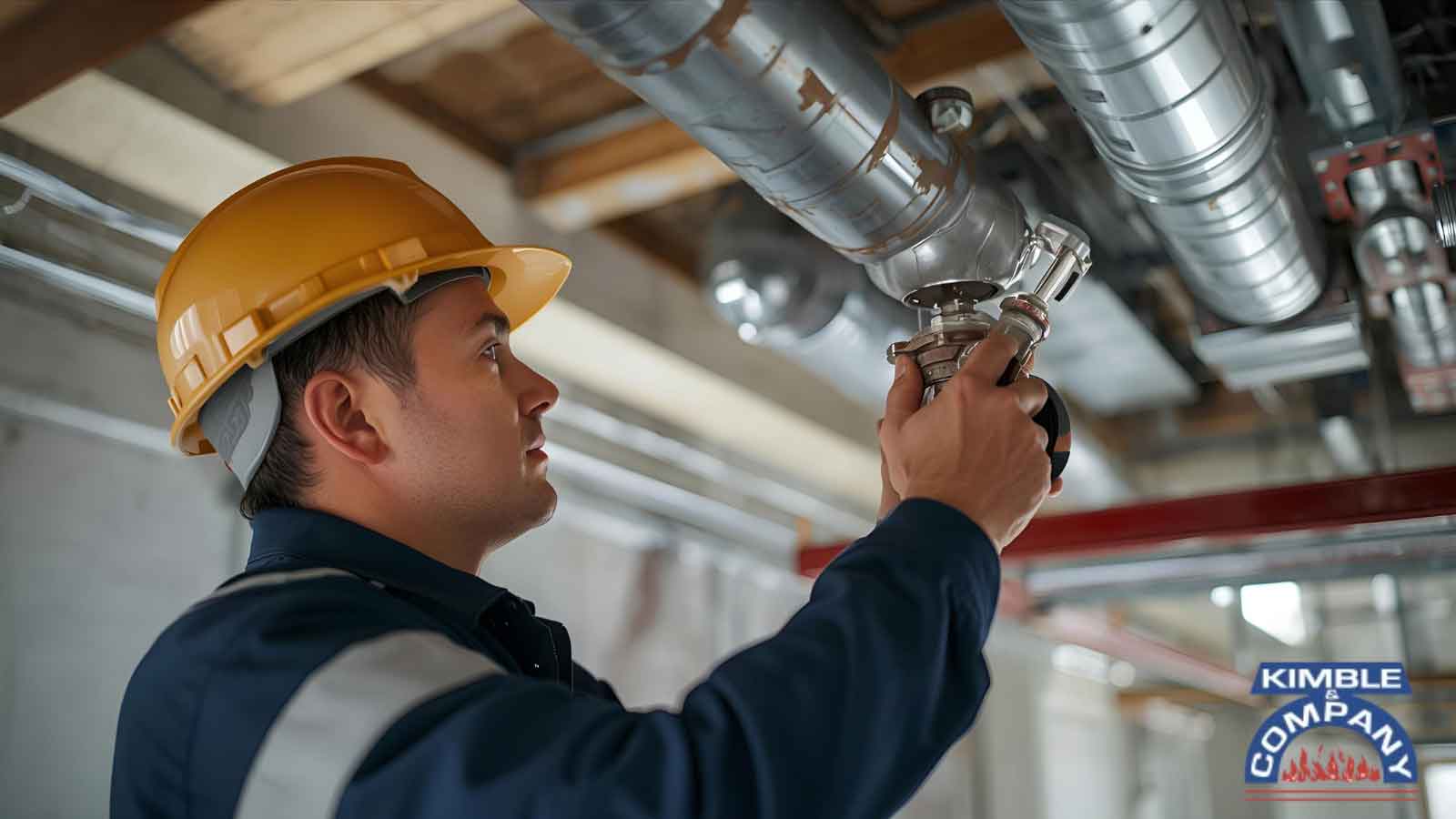
A fire sprinkler system deals with daily changes in temperature, moisture, and pressure. These shifts slowly affect pipes, fittings, and internal components, even when everything appears normal on the surface. California’s climate adds more stress, which increases the need for fire sprinkler repair over time.
Understanding these conditions helps you spot early signs of wear and schedule fire sprinkler system repair before problems interrupt building operations. Property managers handling fire sprinkler repair in Los Angeles and other parts of California work with a wide range of climate conditions.
This blog explains the environmental factors that influence fire sprinkler repairs and how simple preventive steps protect long-term performance.
Weather-Related Stress on Fire Sprinkler Systems
California’s weather patterns influence system performance in specific ways, especially in regions with wide temperature swings. Understanding how heat, cold, and storms affect components helps you plan maintenance and reduce unexpected fire sprinkler repairs.
Heat and Thermal Expansion Damage
Extreme summer heat causes pipes and fittings to expand, placing stress on joints and internal seals. Even small amounts of expansion create wear over multiple seasons and eventually increase the need for fire sprinkler system repair.
Expansion and contraction cycles also weaken threaded connections and solder points. Rubber gaskets lose flexibility under prolonged heat, creating slow leaks that often go unnoticed until moisture becomes visible.
California’s inland valleys, desert regions, and areas surrounded by pavement or large roof surfaces experience the most intense heat. Attic and rooftop systems feel this stress the strongest during summer, since these spaces trap and radiate heat for long periods. Likewise, facilities with broad roof areas often see faster wear on joints and seals, which increases the likelihood of repair over time.
Heat-related issues often show early indicators such as:
- Moisture around pipe joints
- Loose or brittle seals
- Discoloration around connection points
Freeze Damage and Pipe Bursts
Water expands when it freezes, and that pressure can crack or burst pipes. These issues often lead to emergency fire sprinkler repair rather than routine maintenance. Many California regions still experience overnight temperatures that drop low enough to create freeze risks, even when daytime conditions feel moderate.
Wet-pipe systems in unheated areas, including warehouses and parking structures, face the highest risk. Dry-pipe systems reduce freeze issues but still need proper drainage and valve care.
Early freeze-related warnings may appear as:
- Bulging pipe sections
- Hairline cracks
- Ceiling tile moisture after cold nights
Storm and Wind Damage to System Components
Storms affect systems in several ways, from wind-driven debris striking components to moisture intrusion around electrical controls. These issues often appear after severe weather across many California regions.
After storms, common areas needing attention include:
- Exposed sprinkler heads and risers
- Outdoor piping alignment
- Dry-pipe valve enclosures for water intrusion
- Alarm panels for new warnings or fault codes
Because severe storms are becoming more common across California, it helps to schedule a quick visual check of exposed components so you can catch damage early and keep the system performing as expected.
Ground Movement and Underground Pipe Stress
California’s drought-rain cycles cause soil to shrink and swell, shifting underground pipes and stressing their connections. Small seismic movements and foundation settling add more pressure.
Underground pipe stress often becomes noticeable through:
- Rising water bills
- Wet soil or landscaping above pipe routes
- Reduced system pressure
If you notice these symptoms, arrange an inspection promptly so underground damage doesn’t spread or cause larger failures.
Immediate Water Damage Prevention Steps During a Pipe Failure
If a pipe bursts or a major leak develops, quick action reduces water damage while you wait for professional support.
Take these steps right away:
- Shut the system’s control valve only if you can do so safely and without compromising life safety.
- Clear occupants from affected areas to avoid slip hazards and ceiling collapse risks.
- Turn off electrical circuits in the impacted zone if the panel is safely accessible.
- Use containers, tarps, or barriers to redirect water away from equipment and pathways.
- Document the damage for insurance and repair coordination.
These steps limit building damage and support a faster repair process.
Corrosion and Material Breakdown Over Time
Moisture, salt exposure, and chemical sources break down metal over time, especially in coastal and industrial California locations. Corrosion often develops inside or outside piping long before it becomes visible, which makes fire sprinkler inspections important for early detection.
Moisture and Chemical Corrosion
Moisture accelerates rust on steel pipes. California properties near the coast deteriorate faster because salt in the air breaks down metal surfaces more quickly. Industrial facilities throughout the state also deal with airborne chemicals that speed corrosion.
Corrosion often appears through:
- Rust stains on ceilings
- Orange discoloration on pipes
- Rust particles during drain tests
Internal corrosion, sometimes called microbiologically influenced corrosion (MIC), weakens pipes from the inside. You often won’t know it’s happening until a pipe fails or an inspection shows thinning walls. When corrosion advances, fire sprinkler system repair usually requires section replacement.
UV Radiation and Plastic Component Failure
UV radiation gradually weakens plastic components, causing brittleness and cracking, especially on exposed rooftop or outdoor systems. Insulation also breaks down under long sun exposure, leaving metal parts less protected.
Early UV-related issues may look like:
- Chalky residue on plastic surfaces
- Hairline cracks
- Brittle or fragile materials when touched
Also Read: Skipping Quarterly Service? Here’s the Corrosion You Can’t See
Biological and Physical Interference with Sprinkler Systems
Living organisms and debris introduce mechanical and flow-related issues inside sprinkler systems. These problems often appear in hidden areas of a building and may only become noticeable when system output changes.
Tree Root Intrusion and Pipe Obstruction
Tree roots naturally seek water sources and can crack or crush underground sprinkler pipes over time. Even small cracks attract roots, which then expand the damage as they grow into and around pipe walls.
During drought periods, trees search more aggressively for moisture, increasing intrusion risks. Common California trees such as ficus, eucalyptus, and willows have root systems that extend far beyond their canopy. Reduced system pressure near root-dense areas may indicate intrusion.
Rodent and Insect Damage
Rodents chew through plastic pipes, insulation, and electrical wiring connected to fire alarm components. Insects often build nests in valve enclosures, control panels, or insulation, which causes operational issues and adds fire hazards.
California’s mild climate supports year-round pest activity, especially in attics, crawlspaces, and wall cavities.
Pest-related issues commonly show through:
- Gnaw marks
- Droppings
- Nesting material near components
While NFPA 25 inspections cover pest-related damage, your own visual checks between inspections help catch problems earlier.
Debris Buildup and Clogged Components
Dust, dirt, and airborne debris gradually collect on sprinkler heads and nozzles, limiting how evenly water can discharge. Filters and strainers also accumulate sediment, which reduces system performance.
Many California properties experience recurring debris from:
- Fall leaves
- Spring pollen
- Wildfire ash
- Construction paint overspray
Routine cleaning and filter replacement keep components clear and maintain system effectiveness.
Preventive Measures That Reduce Environmental Damage

Many environmental factors that affect sprinkler systems can be reduced through targeted fire sprinkler maintenance and thoughtful planning. These steps help extend system lifespan and lower the likelihood of emergency fire sprinkler repair.
Insulation and Temperature Protection
Proper insulation helps your system handle California’s temperature swings and protects vulnerable components from environmental stress. These solutions support long-term reliability and reduce the need for frequent repairs.
- Pipe insulation: Protects your system from freezing and overheating. Closed-cell foam performs well in areas with high humidity since it resists moisture absorption better than fiberglass.
- Heat tape: Uses self-regulating electric heating cable to prevent freezing in pipe runs located in unheated spaces.
- Protective enclosures: Shield exposed components from temperature changes and UV exposure, reducing wear on outdoor or rooftop systems.
A technician for fire sprinkler repair in Los Angeles can evaluate your building and recommend insulation methods suited to your specific climate zone.
Climate-Appropriate Materials and Coatings
Material selection plays a major role in how well your system withstands California’s diverse climates. The right components help prevent corrosion, UV damage, and premature wear, reducing long-term repair needs.
- UV-resistant plastic components: Perform better in outdoor areas with strong sun exposure and help reduce cracking or brittleness over time.
- Corrosion-resistant alloys: Stainless steel and brass offer better durability in coastal environments where metal surfaces face stronger corrosion pressures.
- Protective exterior coatings: Slow external corrosion on steel piping and extend service life in regions with fluctuating temperatures and moisture.
- Internal linings: Help protect the inside of the pipe from corrosion, especially in older or high-use systems.
Choosing the right materials lowers long-term wear and reduces how often you schedule fire sprinkler repairs.
Scheduled Inspections and Seasonal Maintenance
Timing your inspections strategically helps you catch issues before they grow. Schedule assessments after summer to check for heat-related wear before colder months place extra stress on joints. After winter, inspections help identify freeze damage and confirm the system is ready for the upcoming fire season.
NFPA 25 includes quarterly visual inspections, annual functional testing, and five-year internal pipe assessments to check for corrosion or blockages. California Title 19 adds state-specific requirements. Licensed contractors who work with commercial fire sprinkler systems follow these requirements closely and can help you stay compliant.
Catching and fixing small issues during routine inspections prevents larger failures and protects your building from unnecessary water damage.
Typical Repair Timeframes You Can Expect
Repair timelines vary based on the type of issue and how early it is caught. Knowing what to expect helps you manage building access, downtime, and tenant communication.
- Minor leaks or gasket replacements: Often resolved within a few hours once a technician arrives.
- Sprinkler head replacements: Usually completed the same day, depending on system access and ceiling height.
- Sectional pipe repairs: May require several hours to a full day if crews need to drain portions of the system.
- Underground pipe repairs: Often the longest, since crews may need to excavate the damaged area. These jobs can take one to three days, depending on soil conditions and pipe depth.
Related Article: Fire Sprinkler Maintenance 101: How to Keep Your System Functioning Properly
When to Call for Professional Fire Sprinkler Repair
Not every issue requires the same level of response. Knowing when to request urgent help versus routine service helps you protect your property and manage maintenance budgets effectively.
Situations Requiring Immediate Professional Response
Some issues require same-day or next-day service to prevent further damage and keep your building safe. Call a professional right away if you notice any of the following:
- Active water leaks: Steady flows or small drips can cause significant damage within hours and often signal compromised system integrity. A fire sprinkler system repair technician should address any leak immediately.
- Alarm panel warnings or fault codes: These alerts indicate electronic or mechanical failures that may prevent proper system activation. Prompt diagnosis keeps your system compliant and operational.
- Damaged sprinkler heads: Cracks, dents, or misalignment affect water distribution and create code violations. Replace damaged heads before the system can function correctly.
- Safety hazards near components: Gas odors, electrical sparking, or visible flooding require immediate attention and coordination with emergency services.
How Quickly to Respond to Common Warning Signs
Your response timing depends on the severity of the symptom. Addressing early warnings prevents larger failures and reduces repair costs.
- Leaks or water discharge: Treat as an immediate issue. Contact a technician immediately.
- Alarm or fault codes: Address within 24 hours to prevent electronic failures from disabling parts of the system.
- Rust stains or discoloration: Schedule service within the week, since these indicate developing corrosion that can worsen quickly.
- Minor pressure changes: These can wait for your next scheduled maintenance visit, but should not be ignored.
Connecting warning signs to response timelines helps you prioritize issues more effectively.
Conditions for Scheduled Maintenance Appointments
Other issues, while still requiring professional attention, can be addressed during regular business hours:
- Gradual performance changes: Rising water bills, minor pressure variations during testing, or slow shifts in system output often point to developing issues that need inspection.
- Early-stage wear: Cosmetic corrosion on exposed piping, light UV discoloration on plastic components, or minor debris buildup can be reviewed during your next maintenance appointment.
- Seasonal maintenance needs: Seasonal transitions are a good time to include a full system review as part of your regular maintenance schedule. These evaluations support consistent performance and help you address developing issues before they grow.
Schedule Your System Assessment
If you notice changes in your system, or if your property has experienced extreme weather recently, a professional assessment can identify damage before it affects system performance or creates code compliance issues.
Kimble & Company Fire Protection Systems provides fire sprinkler system repair, inspections, and maintenance throughout California. Our technicians understand California’s unique climate challenges and can recommend solutions tailored to your property.
Contact our team today to schedule a complete system assessment and protect your property against climate-related fire sprinkler repair needs.