
If you’re managing a building, you’ve probably asked whether your current fire sprinkler system can perform when it matters most.
Maybe you’re expanding into colder areas or retrofitting an older space. Perhaps you’ve dealt with unexpected leaks, frozen pipes, or you’re unsure if your system complies with current codes.
These situations aren’t just inconvenient thoughts you might have. They are essential in protecting your property, as things related to fire sprinklers can get expensive fast.
Different buildings need different solutions, and choosing the wrong type of system often leads to long-term issues. You don’t want to install something that’s efficient but fails in extreme temperatures, or something safe in the cold but more expensive to maintain.
Each system has strengths and trade-offs that need to be carefully considered, especially if your building has a mix of indoor and exposed areas.
In this blog, we’ll look at the real differences between wet and dry sprinkler systems. More importantly, we’ll help you figure out which one fits your building’s needs, budget, and layout.
Whether you’re building new, renovating, or just double-checking your current setup, this guide will help you make the right call on your fire sprinkler system.
Why Choosing the Right Sprinkler System is Critical for Your Building Safety and Investment
Picking the wrong sprinkler system can cause significant setbacks. If pipes freeze and burst during cold months, you’re looking at repairs, water damage, safety risks, and compliance issues.
Conversely, installing an overly complex system in a simple, climate-controlled space can inflate costs and increase maintenance. The right system protects people, property, and investments while reducing false activations, service expenses, and insurance concerns.
Choosing the right options is not just about meeting codes or passing inspections. The system you choose also impacts your construction timeline, operating costs, and long-term reliability. That’s why understanding each type’s strengths, limits, and ideal applications is essential before making a decision.
Wet Sprinkler Systems Complete Analysis
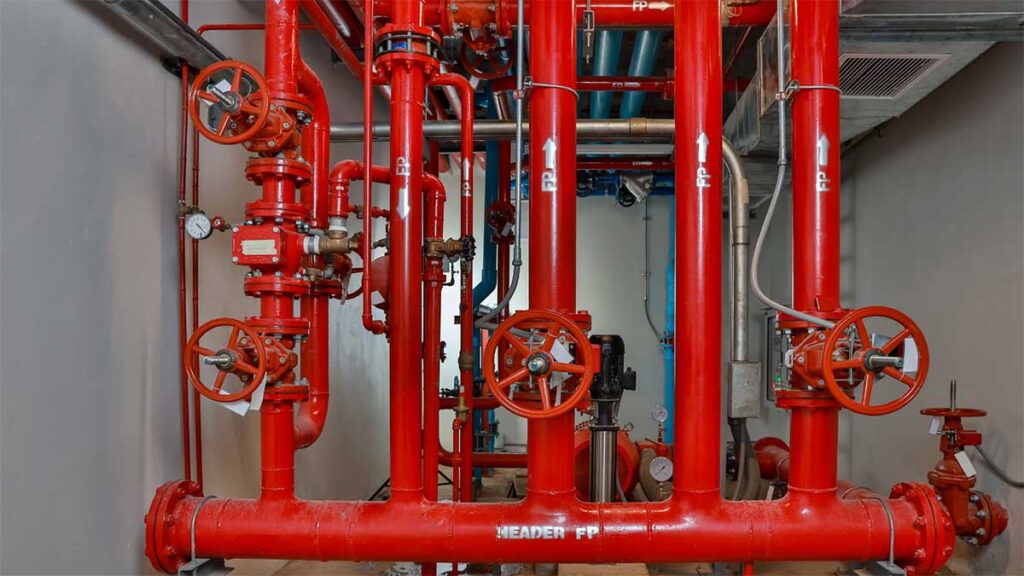
Wet sprinkler systems are the most commonly used type in commercial and residential buildings. They operate using pipes filled with water, ready to discharge immediately when a sprinkler head opens.
Understanding their strengths and limitations helps clarify where they make the most sense and where they fall short.
Key Advantages of Wet Sprinkler Systems
Wet systems are valued for their simplicity and speed. Once the heat from a fire activates a sprinkler head, water discharges instantly, reducing the fire’s spread and potential damage. Their design is straightforward, making them easier to install, operate, and maintain.
Key advantages include:
- Delivers water without delay once activated
- Simple system design with minimal mechanical parts
- Lower upfront and maintenance costs than dry systems
- Reliable in buildings kept above freezing temperatures
Because there are fewer components, there’s less room for mechanical failure. Wet systems also require less monitoring compared to systems that rely on pressurized air.
This makes them ideal for facilities that prioritize stability, simplicity, and consistent operation. They’re also preferred in environments where best practices for fire prevention rely on immediate response.
They work best in fully conditioned spaces like office buildings, schools, and retail areas. When maintained correctly, they perform reliably over many years.
If temperature and environmental factors are consistent, wet systems continue to be a dependable and cost-effective solution. However, it is important to note that they still have their drawbacks in certain building types and climates.
Disadvantages and Limitations of Wet Sprinkler Systems
While wet sprinkler systems offer simplicity and speed, they are highly sensitive to temperature. If water-filled pipes are exposed to freezing conditions, the system becomes a liability instead of a safety measure. Once frozen, pipes may crack, burst, or completely fail to activate during a fire event.
Main limitations include:
- Not suitable for unheated or exterior spaces
- Risk of pipe freezing and bursting in cold temperatures
- High potential for water damage if triggered accidentally
- Difficult to use in buildings with varying thermal zones
For structures with unconditioned attics, loading bays, or rooftop units, wet systems create challenges. Even insulated piping can’t fully prevent freeze-related failures if heat is lost. This makes them a poor choice for regions with cold winters or buildings with exterior piping routes.
In those environments, ongoing heating is required, which adds to operational costs. Maintenance teams also need to monitor for leaks or slow drips that can go unnoticed in concealed spaces.
These limitations should be weighed carefully during system selection. Wet systems are reliable, but only when used in the right conditions.
Dry Sprinkler Systems Comprehensive Overview
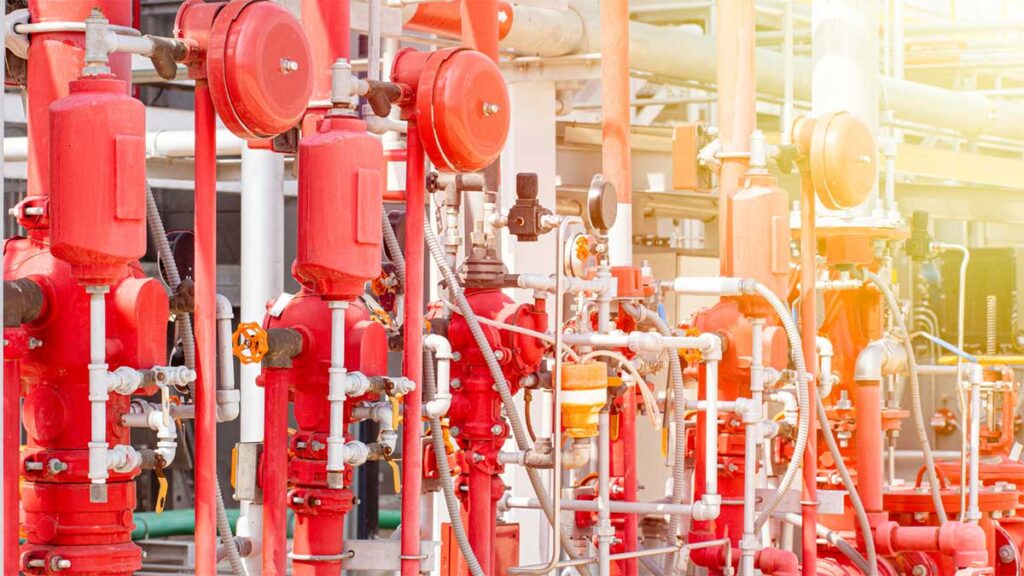
Dry sprinkler systems serve a very specific need: they protect areas exposed to freezing temperatures. Instead of water, pipes are filled with pressurized air or nitrogen, which releases and makes way for water when triggered.
This design brings both functional benefits and additional operational complexity.
Key Advantages of Dry Sprinkler Systems
Dry systems shine in environments where wet systems would fail. Because the pipes stay dry until activation, there’s no risk of freezing water. They are commonly used in garages, warehouses, attics, or any location with regular temperature drops.
Notable benefits include:
- Safe to use in freezing or semi-exposed conditions
- Reduces freeze-related pipe damage
- Automatically isolates water until needed
- Can be installed in outdoor loading docks, attics, and parking structures
This design increases flexibility in system layout and pipe routing. Mechanical rooms near rooftops or parking decks can be covered without needing to run heat to those spaces year-round. They also offer more protection against condensation-related leaks since water stays behind the control valve until needed.
Maintenance teams appreciate their cold-weather reliability when they’re properly installed. Though more complex, they allow for broader coverage in mixed-environment buildings.
To summarize, in climates with severe winters, dry systems provide a level of protection that wet systems can’t match.
Disadvantages and Limitations of Dry Sprinkler Systems
Dry sprinkler systems aren’t ideal for every setup. Their design includes more components, such as air compressors and dry-pipe valves, which require regular inspection and service. These elements also introduce more failure points and increase ongoing system costs.
Common drawbacks include:
- Delay between activation and water discharge
- Higher installation and maintenance costs
- More susceptible to corrosion from internal condensation
- Requires more frequent inspection and pressure monitoring
This delay in water delivery can be critical in fast-moving fires, particularly in highly combustible environments. Air must escape before water flows, which means fire has more time to spread. For some businesses, that extra 30 to 60 seconds makes a difference.
You’ll also spend more on servicing compressors, checking air pressure, and ensuring the dry valves remain functional. When not properly maintained, corrosion can develop inside the pipe where water meets air.
If you’re considering fire sprinkler installation in a building with a mix of conditions, these limitations must be considered.
Ultimately, dry systems protect buildings from freezing-related failure. But they demand more from facility teams and budgets. Understanding when they add value and when they complicate things is essential before making a decision.
Final Verdict on Choosing Between Wet and Dry Sprinkler Systems for Your Building
Choosing between wet and dry sprinkler systems comes down to your building’s environment and how it’s used.
If the entire space stays above freezing year-round, a wet system is often the better choice. It offers faster activation, easier maintenance, and lower upfront costs. For most conditioned buildings like offices, schools, and retail spaces, wet systems provide a reliable and efficient solution.
Dry systems are more suitable when parts of the building are exposed to low temperatures or lack consistent heating. This includes parking garages, loading docks, attics, or any unheated areas.
While they take longer to activate and cost more to maintain, they prevent serious damage from frozen pipes.
There’s no one-size-fits-all answer, but the goal is clear: match the system to your environment to ensure performance and safety.
Wet systems offer simplicity and speed where conditions allow. Dry systems offer flexibility and freeze protection where needed.
If you’re unsure which direction to take, work with professionals who specialize in fire protection services to assess your building’s needs. The right system shouldn’t just meet code, as it needs to protect lives, reduce liability, and save costs over time.