

Frequent false alarms? Or worse, alarms that don’t activate when they should? These issues can create stress, disrupt operations, and put lives at risk.
Facility managers often feel stuck between unreliable systems and vague test reports. It’s hard to know if your fire alarm system is doing its job until it fails or triggers unnecessarily.
That’s where sensitivity testing comes in. It pinpoints whether smoke detectors are calibrated correctly, neither too sensitive nor too sluggish. However, many building owners are unclear about what’s being checked during these tests or how inspectors assess the performance of a fire alarm system.
As such, in this post, we’ll break it down clearly. You’ll learn what fire alarm inspectors check during a sensitivity test. We’ll walk through the technical details, step by step, without the fluff.
Whether you’re overseeing maintenance or ensuring compliance, this will give you the insight you need.
Understanding Fire Alarm Sensitivity Testing
Sensitivity testing checks how well each smoke detector in a fire alarm system responds to a known amount of smoke. It ensures detectors activate within a specific range, neither too early nor too late.
That range is defined by the manufacturer and required by fire codes like NFPA 72. This process helps verify system reliability.
Inspectors use tools that generate a controlled smoke concentration. They apply it directly to each detector and measure how much smoke it takes to trigger an alarm. If a detector activates too quickly, it’s considered overly sensitive and may be prone to false alarms. If it’s too slow, it could delay detection during an actual fire.
It’s a technical process with high stakes. Every reading matters. Sensitivity testing doesn’t just confirm system performance. It also flags units that need adjustment or replacement.
And since detectors can drift out of spec over time due to dust, age, or environmental factors, this test isn’t a one-time task. It’s an ongoing part of maintaining any fire alarm system.
The Critical Role of Fire Alarm Inspectors in Sensitivity Testing
Fire alarm inspectors ensure that every detector in your building performs precisely as it should. They don’t just test devices but interpret data, validate accuracy, and make judgment calls based on years of experience.
Their role in sensitivity testing is to measure how detectors respond to a known level of smoke and confirm that the results align with both code and manufacturer specifications. This prevents false alarms, missed alarms, and system drift from going unnoticed.
To give you further context, here’s what they’re specifically responsible for during sensitivity testing:
- Applying controlled smoke to verify alarm response time
- Identifying units that have drifted out of calibration due to dust, age, or damage
- Using calibrated tools to ensure testing accuracy
- Confirming environmental conditions don’t skew test results
- Reviewing past reports to track sensor performance over time
They also handle detailed documentation that proves the system meets current standards. Without their reports, building owners could face legal or insurance complications.
The consequence of non-compliance with fire safety regulations isn’t just a failed inspection, as it could mean liability during emergencies. Fire inspectors help keep systems accountable, reliable, and fully compliant.
What Triggers a Need for Sensitivity Testing
While sensitivity testing is part of routine fire alarm maintenance, certain situations demand it sooner. Recurring false alarms, detectors failing to trigger during drills, or changes in the building environment can all signal that sensors may have drifted out of their proper range. Renovations, construction work, or even new ventilation patterns can introduce dust and airflow changes that affect detector accuracy.
Age is another factor. Older detectors are more likely to lose calibration, making them prone to false activations or delayed responses. NFPA 72 and many insurance providers also require testing at set intervals, typically every one to two years, to ensure ongoing compliance.
Addressing these triggers promptly helps maintain reliable detection and prevents minor issues from turning into serious safety risks.
What Do Fire Alarm Inspectors Evaluate During Sensitivity Testing
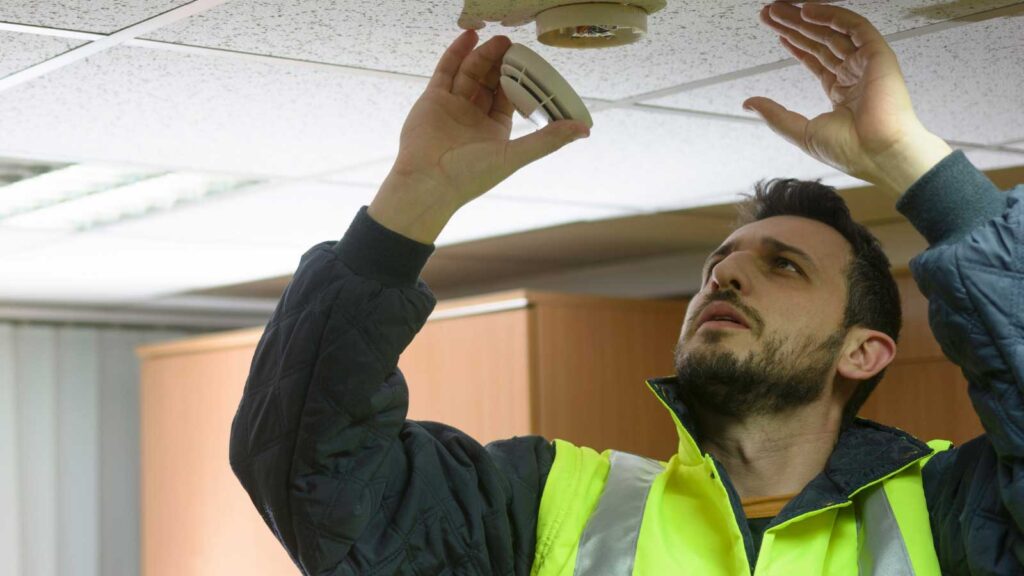
Sensitivity testing isn’t just about triggering alarms. Inspectors assess how detectors respond under controlled, measurable conditions to confirm everything functions within defined tolerances.
Each step of this process focuses on a specific factor that influences system reliability and compliance.
Here’s a detailed look at what they examine during sensitivity testing:
Detector Response Time and Alarm Activation Thresholds
Inspectors test how quickly a smoke detector reacts after exposure to a known smoke concentration. They time this response and compare it to the manufacturer’s listed standard. A slow response could delay evacuation. A fast one might indicate an over-sensitive device that risks false alarms.
They also check activation thresholds. Every detector must respond within a specific smoke density range. This ensures it triggers at the correct level of obscuration—not too early or too late. Consistency in this threshold helps maintain reliable system behavior.
Inspectors monitor for drift in performance over time. Devices naturally age, which can affect how they respond. Comparing current results to previous tests helps detect those shifts. If a detector falls outside range, they recommend cleaning, recalibration, or replacement.
Smoke Obscuration Levels and Concentration Measurements
Smoke obscuration measures how much smoke it takes to block light, which is how many detectors detect a fire. Inspectors test this by applying a calibrated smoke source and monitoring the level at which each detector activates. That reading must fall within the allowable range.
Important inspection considerations they do here include:
- Minimum and maximum smoke obscuration levels must match code and manufacturer guidelines
- Low activation thresholds = higher false alarm risk
- High activation thresholds = delayed detection, unsafe conditions
If a detector activates below the minimum obscuration level, it may be overly sensitive. That increases false alarm risks. If it doesn’t activate until smoke levels are high, it may delay notification. Both conditions are unsafe and need correction.
Testers take careful measurements to confirm the exact concentration at activation. They document readings for every tested unit. This data gets used to evaluate system-wide performance and detect any patterns or recurring issues.
Equipment Calibration and Testing Tool Accuracy
Inspectors rely on test equipment that must be accurate and calibrated regularly. Tools like aerosol generators and obscuration meters must have up-to-date calibration records. If calibration is off, the entire sensitivity test becomes unreliable.
They check calibration certificates and test the tools before and after each session. This confirms readings are within tolerance and that nothing drifted during use. Inaccurate equipment leads to insufficient data, which results in faulty conclusions.
Visual inspection is part of this process, too. Inspectors examine testing devices for physical wear, contamination, or damage. Any flaws can interfere with performance, so they verify that each tool operates correctly before testing detectors.
Environmental Conditions and System Performance Factors
Inspectors consider the physical conditions around each detector during testing. They check temperature, humidity, and air movement. These environmental elements affect how smoke behaves and how detectors respond.
Environmental factors that can impact results are:
- Strong airflow from vents or fans can dilute smoke samples
- High humidity
- Dust, dirt, or paint buildup can block sensor function
- Extreme temperatures that can alter smoke particle behavior
Air currents from vents, fans, or open spaces can dilute smoke or push it away from detectors. This causes inaccurate results or delayed activation. Inspectors measure airflow and note any influence on the test. In areas with heavy drafts, they may recommend detector relocation.
The fire alarm inspection also includes checking for dust, debris, or paint covering detector heads. These issues can interfere with the device’s sensitivity. Inspectors document any visible blockages or contamination and advise corrective action to restore performance.
Documentation Review and Compliance Verification
Inspectors review previous test reports and compare results across time. They look for patterns, repeated failures, or units that drift outside allowed sensitivity limits. This helps catch issues early and prevent future alarm failures.
They confirm each detector’s make, model, and location against building records. Any mismatch can signal improper installation or system modification. Inspectors also check if prior issues were resolved or left pending.
All findings are documented in a final test report. This includes readings, observations, and pass/fail outcomes. Building managers rely on this for audits and compliance. Without proper documentation, there’s no proof that a system meets required safety codes.
Conclusion: Maintaining Fire Safety Through Regular Sensitivity Testing
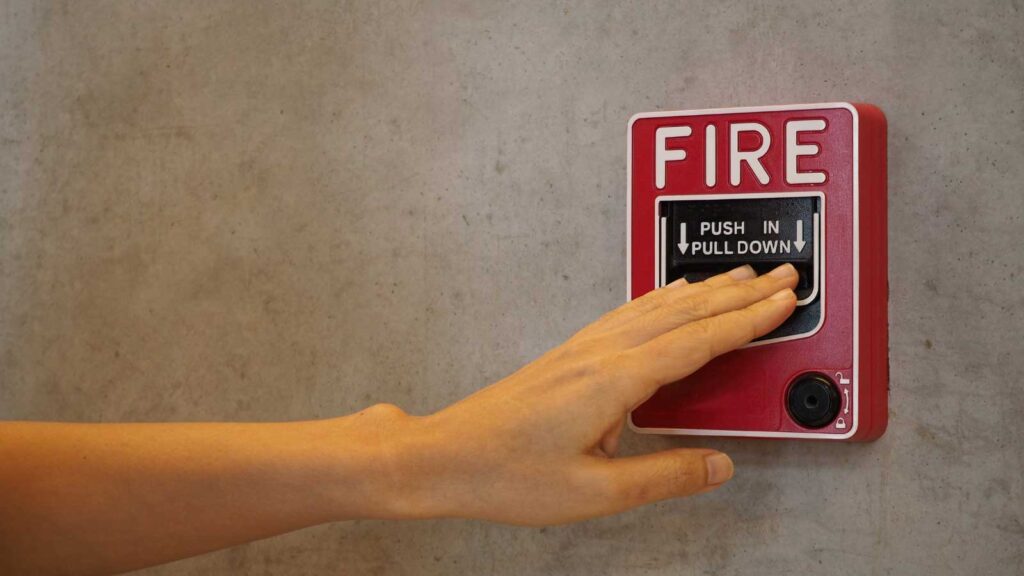
Routine sensitivity testing keeps a fire alarm system reliable and responsive. It helps identify detectors that have drifted, become contaminated, or need replacement. Without testing, there’s no way to ensure detectors will activate at the right time.
Inspections also give building managers confidence that their systems meet safety codes. Inspectors provide precise, data-backed evaluations. Their work directly supports code compliance and risk reduction. Partnering with trained professionals makes all the difference.
Fire protection services shouldn’t stop at installation. Ongoing testing and maintenance are part of a complete safety strategy. When done regularly, sensitivity testing helps ensure detectors respond quickly and accurately when it matters most.