
Your fire sprinkler system requires attention. You’ve received inspection feedback, noticed changes in performance, or planned building updates that affect your system. Understanding the difference between fire sprinkler repair and full replacement helps you make informed decisions about your building’s protection infrastructure.
This decision involves evaluating system condition, compliance requirements, and long-term value. The right choice depends on specific factors unique to your building, the age of your system, and your operational goals. This guide provides factual criteria to help you assess which approach best serves your building.
How Repairs and Replacements Differ in Scope and Application
Fire sprinkler system repair addresses specific component failures while preserving your existing infrastructure. Replacement involves removing and reinstalling significant portions of the system or the entire fire sprinkler system. The table below outlines when each approach applies to your building.
| Aspect | Repair | Replacement |
| Scope | Targets specific faulty components | Involves major system portions or entire installation |
| Best For | Isolated issues in systems that function properly | Multiple components needing attention or widespread wear |
| What Stays | Existing infrastructure remains intact | New components and updated infrastructure |
| Common Work | Replace sprinkler heads, rebuild valves, fix damaged pipe sections | Remove old system, install new piping, update coverage design |
| Typical Scenarios | Individual component failures, localized damage | System design no longer meets requirements, building renovations, outdated infrastructure |
| Compliance | Maintains current system standards | Updates to current codes and standards |
Building renovations, occupancy changes, or major layout modifications often require replacement work to accommodate new requirements. Systems with isolated problems and sound infrastructure typically benefit from targeted fire sprinkler repair.
Factors That Indicate Your System Needs Professional Evaluation
Several indicators help you determine when to schedule an assessment and which service approach is most suitable for your situation. System age, performance data, and code requirements all contribute to this evaluation. Regular fire sprinkler maintenance identifies these factors before they affect system reliability.
System Age and Component Condition
Different components have varying service lives, depending on their materials and the environmental conditions. Sprinkler heads typically function for 50 years in stable environments, whereas piping materials exhibit different patterns of longevity. Understanding these timelines helps you plan appropriately.
Key component lifespan factors:
- Galvanized steel pipes show internal corrosion after 20-30 years
- Copper connections develop wear at fitting points over time
- CPVC pipes become brittle with age and thermal cycling
- Control panels and electronic components typically last 15-20 years
System age alone doesn’t determine the repair versus replacement decision. A 25-year-old system with documented maintenance history and quality materials often outperforms a 15-year-old neglected installation. Professional inspection reveals the actual condition of components, rather than relying solely on installation dates.
Performance Metrics and Testing Results
Testing data provides objective information about system function and reliability. Pressure readings, flow rates, and response times all indicate how well your fire sprinkler system performs. Regular fire sprinkler inspection documents these metrics over time.
Standard performance indicators include pressure ranges between 7-30 PSI for most commercial systems, proper flow rates at all coverage points, and responsive activation sensors. Testing reveals deviations that require attention. Low pressure indicates potential blockages or supply issues, while excessive pressure stresses connections and increases the risk of leaks.
Performance issues requiring evaluation:
- Pressure readings outside acceptable ranges
- Reduced water flow to upper floors or distant zones
- Delayed sensor response or inconsistent activation
- Visible corrosion, leaks, or water discharge
Multiple performance issues often indicate broader system concerns. A single anomaly typically indicates a specific component that needs repair. Documentation from fire sprinkler service providers helps track patterns that inform your decision.
Building Code Requirements and Standards
Fire safety standards evolve to reflect improved understanding and technology advances. Your fire sprinkler system met the requirements at installation; however, current codes may differ. NFPA 25 establishes testing frequencies and performance standards that apply to all existing systems.
Changes in building use often trigger code updates. Converting office space to residential units or adding manufacturing equipment creates different protection requirements. These changes affect sprinkler density, head types, and coverage patterns.
Common compliance factors:
- Occupancy classification changes requiring different coverage
- Updated density requirements for high-hazard areas
- New building additions needing system extension
- Insurance carrier specifications for coverage and testing
Code compliance doesn’t always require replacement. Many updates can be addressed through targeted modifications. A professional evaluation determines which approach meets current standards while serving the specific needs of your building.
ALSO READ: What Triggers a Fire Sprinkler System? 5 Activation Scenarios Explained
Situations That Favor Targeted Repair Work
Fire sprinkler repair efficiently addresses specific issues in systems that function well overall. This approach minimizes disruption, controls costs, and extends system service life. Understanding when repairs provide good value helps you make practical decisions.
Financial Considerations for Repair Projects
Fire sprinkler repair costs significantly less than complete replacement for most situations. Repair work completes quickly with minimal operational impact, typically finishing within hours rather than days.
Cost comparison:
- Individual component replacement: $100-$2,000 depending on parts and labor
- System replacement (10,000 sq ft building): Starts at $20,000+
- Repair threshold: When annual repairs exceed 25-30% of replacement cost, replacement becomes more economical
Track your annual fire sprinkler maintenance expenses to evaluate long-term value. Systems requiring frequent repairs may reach a point where cumulative costs approach replacement investment.
Component Issues That Respond Well to Repairs
Specific problems can be resolved effectively through targeted fire sprinkler system repair without affecting other components. These situations involve isolated failures in otherwise sound systems. Professional assessment identifies which issues fall into this category.
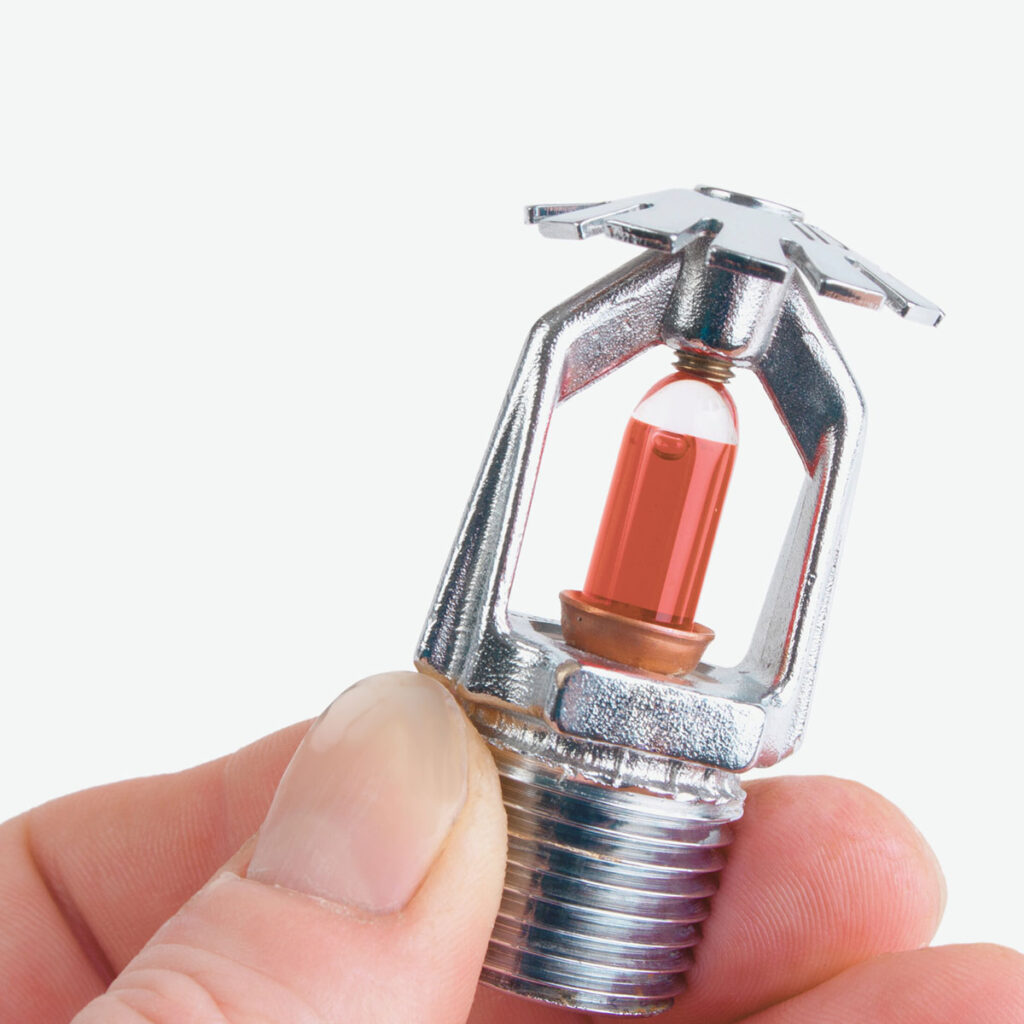
Individual sprinkler heads fail due to physical damage, paint contamination, or exposure to corrosion. Replacing affected heads during scheduled fire sprinkler services maintains proper coverage. Valve assemblies often need rebuilding rather than full replacement. Technicians replace seals, gaskets, and internal components while preserving the integrity of the valve body.
Components commonly addressed through repairs:
- Damaged or corroded sprinkler heads
- Leaking valve seals and gaskets
- Faulty flow switches and sensors
- Control panel electronics and batteries
- Isolated pipe damage in localized areas
Repairs are most effective in systems under 20 years old that have consistent maintenance records. These systems have compatible replacement parts available and infrastructure that supports the replacement of individual components. Newer installations use modular designs that facilitate repairs.
Circumstances That Make Replacement the Practical Choice
Some situations benefit from comprehensive replacement rather than ongoing repairs. These circumstances involve system-wide conditions that make targeted fixes impractical. Understanding these scenarios helps you evaluate long-term value.
Situations where replacement provides better value:
- Corrosion or deterioration affecting 20% or more of visible piping
- Major building renovations requiring extensive pipe rerouting
- Discontinued components with no available replacement parts
- Design changes needed to meet current occupancy codes
- Multiple system failures during official testing
- Building ownership transfer requires insurance updates
Widespread corrosion indicates that visible problems reflect broader deterioration in pipes and connections. Component obsolescence eliminates repair options when manufacturers discontinue parts for control assemblies or specialized valves, rendering them unusable. Insurance carriers may also specify coverage requirements that exceed current system capabilities, making new fire protection services more cost-effective than extensive retrofitting.
Steps to Evaluate Your Building’s Specific Needs
Qualified fire sprinkler service providers conduct thorough inspections that document system conditions and explain your options. Request detailed assessments that include pressure testing, pipe examination, and code compliance review with written findings.
Evaluation checklist:
- Complete system inspection with written findings
- Pressure and flow testing results
- Review of maintenance records and past repairs
- Cost estimates for both repair and replacement approaches
- Timeline and disruption assessment for each option
Consider your building plans over the next five to ten years. Properties you plan to sell soon may benefit from repairs, while long-term holdings often gain value from replacement that provides decades of reliable service.
ALSO READ: Wet vs. Dry Sprinklers: Which Is Right for My Building?
Making the Right Choice for Your Property
At Kimble & Company Fire Protection Systems, we provide honest assessments that help you clearly understand your options. Our team evaluates your fire sprinkler system, documents actual conditions, and presents both repair and replacement solutions with specific costs. We handle targeted fire sprinkler repair work and complete installations tailored to your building’s particular needs.
Contact us for a comprehensive evaluation and straightforward guidance about the best approach for your property. Our experienced technicians provide high-quality fire protection services that ensure your building remains protected and compliant with local codes.